Article: 15 Years With Rosacea: 15 Things I Wish I Knew Sooner

15 Years With Rosacea: 15 Things I Wish I Knew Sooner
I've been dealing with rosacea for almost 15 years now, which is honestly crazy to think about.
Over the years, I've seen dermatologists, worked with naturopaths, tested my gut, eliminated foods, spent an embarrassing amount of money on skincare, and tried just about everything I could get my hands on.
Some things made a huge difference. Others were a complete waste of time and money.
And while my skin is in a much better place today, I still have rosacea. I still flush, I still get flare-ups, and I still struggle to figure out what causes it sometimes.
But I know SO much more now than I did when I was first diagnosed. And looking back, there are a lot of things I wish someone had told me sooner.
So here are 15 things I'd tell my younger self after almost 15 years of living with rosacea.
1. Find a dermatologist who actually knows rosacea.
Find someone who specializes in it, treats it regularly, and understands that rosacea isn't the same for everyone.
Even better if they have rosacea themselves.
I've learned that there's a big difference between someone who understands the condition from a textbook and someone who understands what it's actually like to live with it.
2. Test your gut.
I wish I'd looked into my gut health YEARS earlier.
There's growing research looking at the relationship between rosacea and gut health, including associations with conditions like SIBO and H. pylori.
I'm not saying everyone with rosacea has gut issues, because that's simply not true. But if you're also dealing with digestive problems, it's worth investigating.
For me, exploring my gut health was an important part of understanding my skin.
3. Stop Googling foods you should avoid.
Tomatoes, dairy, coffee, chocolate, spicy food... the list goes on.
But here's what I've learned: your triggers are YOUR triggers.
Just because coffee makes someone else flush doesn't mean it's going to make you flush.
Start a food journal. Write down what you're eating and pay attention to what happens to your skin. Also take note of things like stress, heat, and hormonal changes because food isn't always the culprit.
4. Work with a naturopath.
This was something I personally found really helpful, and I wish I'd done it sooner.
My naturopath took a closer look at my overall health, including bloodwork to see if I was low in any important vitamins or minerals. Based on my results, we put together a supplement routine tailored to what my body actually needed.
Did it help my rosacea? Possibly. It's hard to say for sure.
But did it improve my digestion and how I felt overall? 100%.
I noticed a huge difference, and for me, that alone made it worthwhile.
I'm not saying everyone with rosacea needs to see a naturopath or start taking supplements. But I do think it's worth looking at your overall health, especially if you're dealing with other symptoms. Sometimes there's more going on than just what's happening on your skin.
5. Learn how to read skincare ingredients.
If there's one thing I wish I'd started doing sooner, it's this.
I spent SO much money on products because someone recommended them, they had amazing reviews, or they claimed to be great for redness.
Start looking at what's actually IN your skincare. Learn about different ingredients, what they do, and which ones your skin seems to tolerate.
You don't need to understand every single ingredient, but even having a basic understanding can make such a difference. Using an ingredient checker is also a helpful resource, linking a few I like: INKEEDecoder, SkinSort & SkinCarisma
6. Just because something says "sensitive skin" doesn't mean it's good for sensitive skin.
This one drives me crazy.
I've tried so many products marketed for sensitive skin that made my face burn, sting, or turn bright red.
The words "gentle," "hypoallergenic," and "dermatologist-tested" don't automatically mean a product is going to work for rosacea-prone skin.
And just because an ingredient is generally considered safe or gentle doesn't mean YOUR skin will tolerate it.
Don't buy something based on what's written on the front of the bottle. Flip it around and look at the ingredients.
7. Join a rosacea Facebook group.
I'm serious.
I've learned more practical tips from people who actually have rosacea than I ever expected.
There are people in these groups who have spent decades trying different treatments, products, and routines. And they're usually more than happy to share what's worked for them.
Obviously, take medical advice with a grain of salt. Not everything people post is accurate, and what works for one person might be terrible for someone else.
But the firsthand experiences are incredibly valuable. Sometimes you just need advice from someone who's actually been through it.
8. Azelaic acid is an absolute game changer.
I really wish I'd discovered this ingredient sooner.
Azelaic acid is one of the more researched topical treatments for rosacea, particularly for inflammatory bumps and pustules.
For me, it's made a huge difference in how my skin looks and feels, especially when it comes to texture and breakouts.
But please don't make the mistake of thinking more is better.
Start slowly. A few nights a week is plenty to begin with, especially if your skin is sensitive. And don't assume you need the highest concentration available to see results.
It's an amazing ingredient, but you still need to respect your skin.
9. Focus on your skin barrier.
I can't stress this one enough.
For years, I was so focused on getting rid of redness that I wasn't paying nearly enough attention to the condition of my skin barrier.
And when you have rosacea, your skin barrier can already be compromised, making your skin more prone to dryness, irritation, and sensitivity.
So before you start adding five different actives to your routine, make sure you're taking care of the basics.
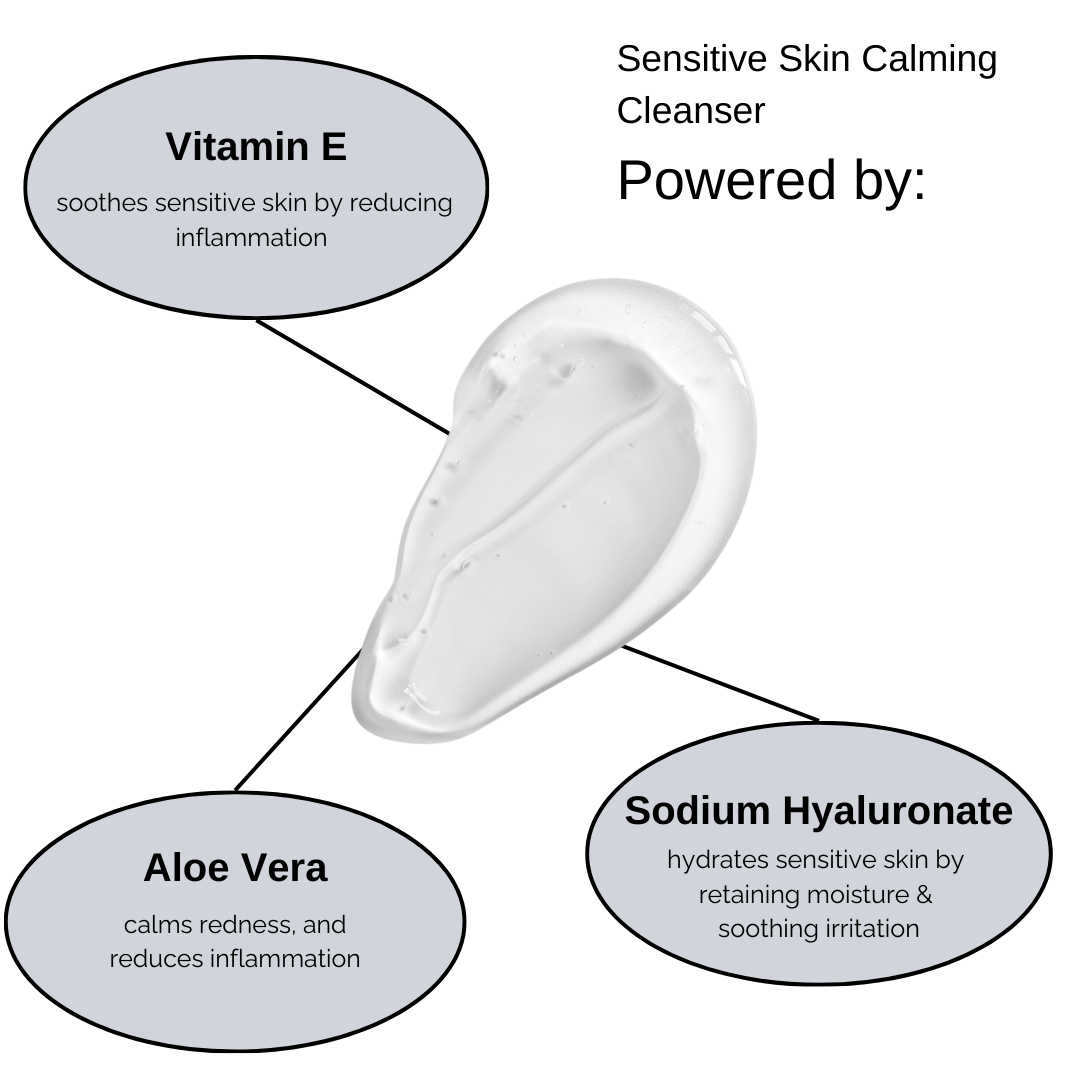
A gentle cleanser. A really good moisturizer. Daily SPF.
10. You don't need to use niacinamide just because everyone else is.
I feel like niacinamide is in EVERYTHING now.
And yes, I know it has some great benefits for the skin. But personally? My skin has never loved it.
I spent way too much time trying to make certain ingredients work simply because everyone was talking about how amazing they were.
Here's the thing: an ingredient can be great on paper and still be completely wrong for your skin.
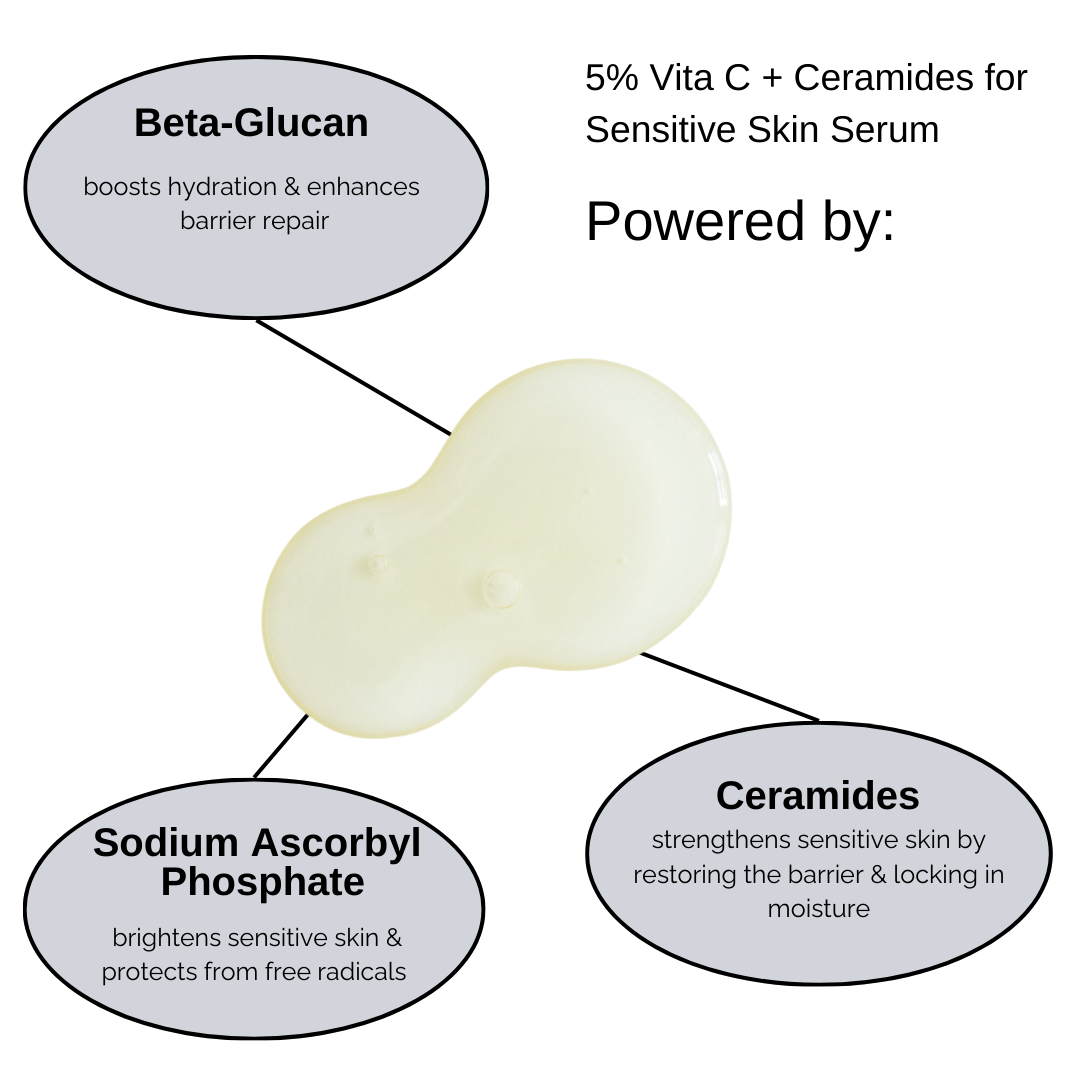
11. Don't give up on vitamin C. Just find the right kind.
For the longest time, I thought vitamin C just wasn't an option for me.
Every time I tried a traditional L-ascorbic acid serum, my skin would get irritated.
What I didn't realize was that there are different forms of vitamin C, and they don't all behave the same way.
Eventually, I discovered sodium ascorbyl phosphate (SAP), a vitamin C derivative that's often formulated to be gentler on sensitive skin.
And finding a vitamin C my skin could tolerate made such a difference in my overall complexion.
My advice? Don't completely write off an ingredient because one version didn't work for you.
12. Look into the connection between histamine intolerance and rosacea.
Histamine plays a role in inflammation and causes blood vessels to dilate, which can contribute to that familiar redness and flushing.
Foods higher in histamine, like aged cheeses, wine, and fermented foods, can add to your body's histamine load.
If your body has trouble breaking down dietary histamine, those foods may trigger symptoms.
Not everyone with rosacea has histamine intolerance, but it's definitely a connection worth exploring if certain foods seem to make you flush.
13. Start red light therapy sooner.
It's been one of the best things I've done for my skin. I've noticed less redness and my skin just looks healthier overall.
I love that it helps calm my skin without having to introduce another product or active ingredient. And beyond rosacea, there are so many other benefits, especially when it comes to collagen production and skin aging.
It's become a regular part of my routine.
14. Stop changing your skincare routine every time you flare.
My skin would flare, I'd panic, and suddenly I was ordering three new products because I convinced myself my current routine wasn't working anymore.
And then I'd wonder why my skin was getting worse.
The reality is that rosacea flares happen. Even when you're doing everything right.
You don't need to completely change your routine every time your skin gets red.
Find products that work for you, keep your routine relatively simple, and introduce new products one at a time.
Consistency has made a much bigger difference for me than constantly chasing the next best thing.
15. Who cares if your skin is red? Embrace it.
I spent way too many years worrying about whether my face looked red.
And for what?
Some days my skin looks great. Other days I'm bright red.
I'm still going to take care of my skin, use my products, and do what I can to manage it. But I'm not going to let a little redness stop me from living.
And if someone asks you for the hundredth time whether you got a sunburn, just tell them to eff off :)
Looking Back
If there's one thing I've learned from all of this, it's that rosacea is incredibly individual.
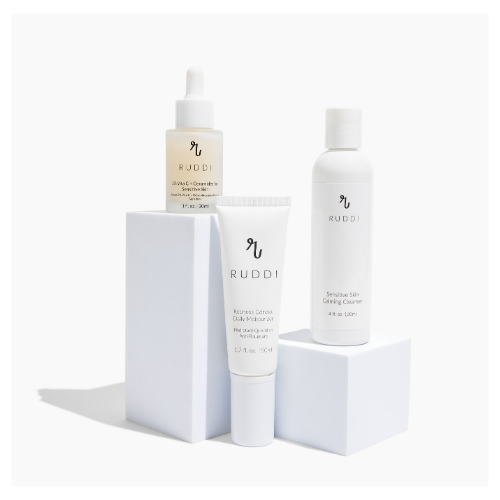
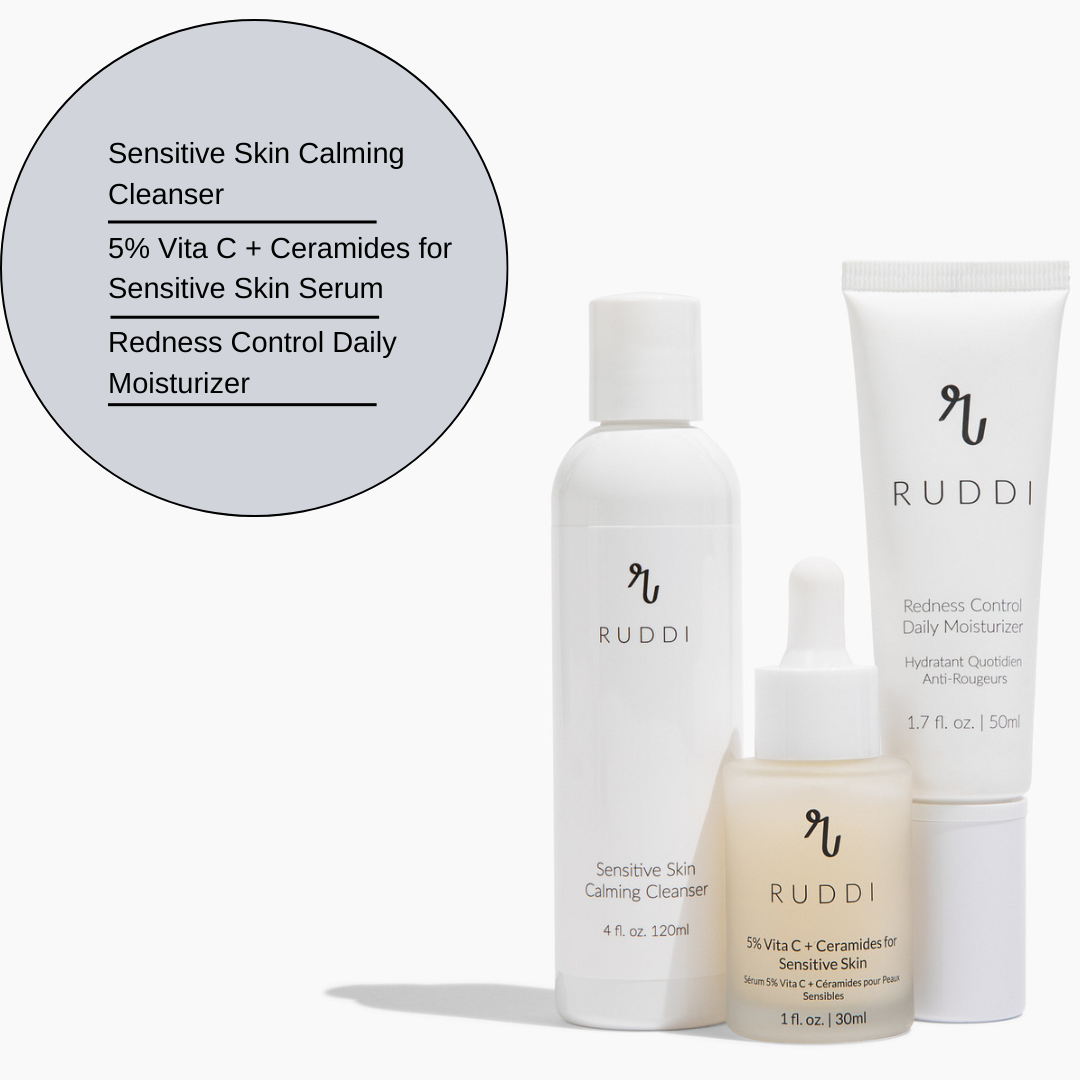
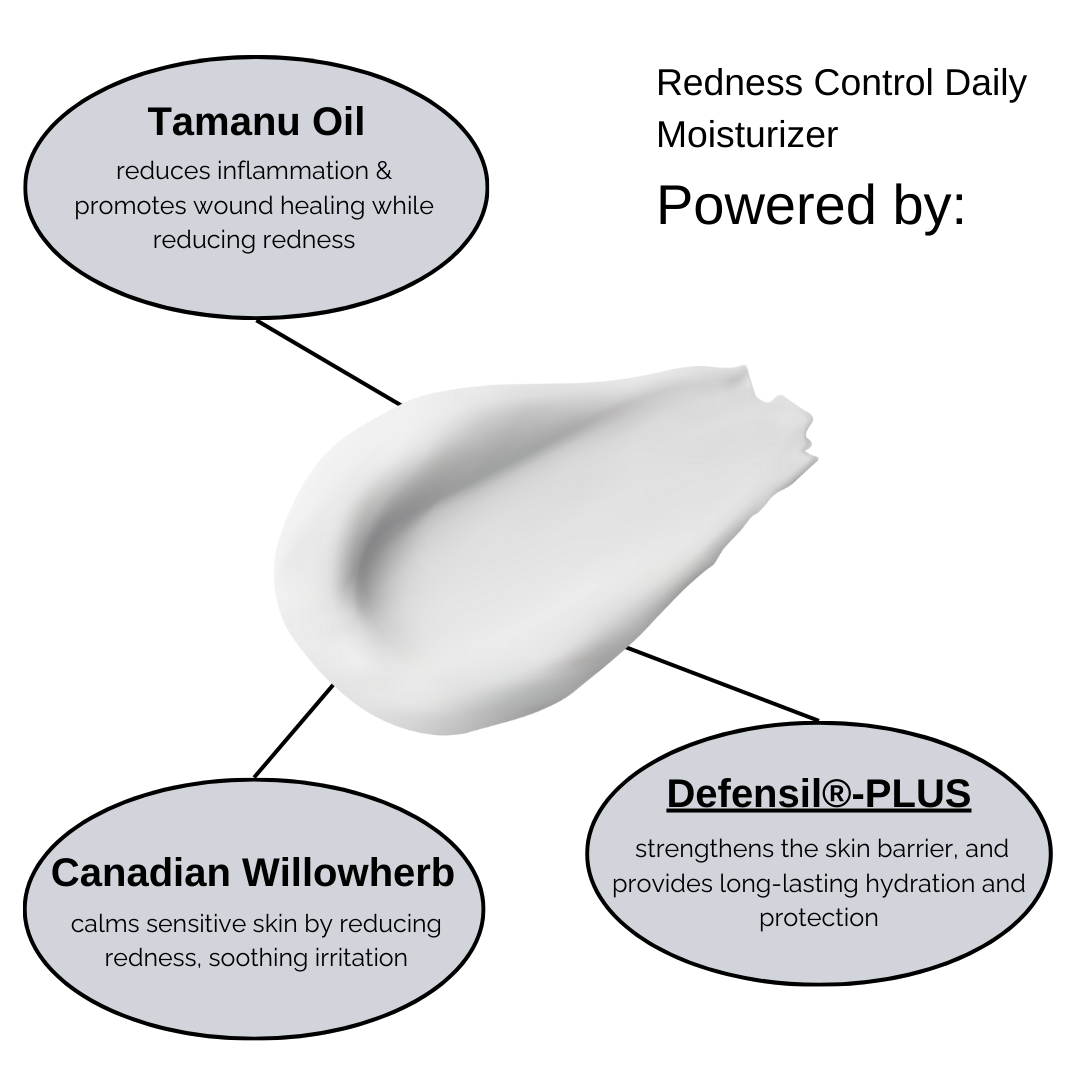
It's also a huge part of why I started RUDDI in the first place. After years of struggling to find skincare that actually worked for my sensitive, rosacea-prone skin, I wanted to create products that were thoughtfully formulated with skin like mine in mind.
And even after all these years, I'm still learning.