Acne vs. Acne Rosacea: How to Tell the Difference
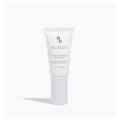
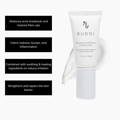
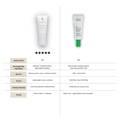
Let's compare RUDDI's 10% Azelaic Acid Redness
Calming Cream to Paula's Choice
Azelaic Acid is one of the most dermatologist-recommended ingredients for calming redness, reducing acne, and supporting overall skin clarity. But with so many formulas available, which one fits your skin’s unique needs? Let’s compare.
Our philosophy is simple: skincare should work with your skin, not against it.
The truth is, modern skincare is packed with harsh, overly active ingredients that can do more harm than good—especially for skin that’s reactive, acne-prone, or dealing with conditions like rosacea or eczema.
At RUDDI, we believe skincare shouldn’t fight your skin—it should work with it. Our mission is simple: to create gentle, effective formulas that calm inflammation, strengthen your barrier, and support your skin’s natural healing process.
You shouldn’t need a dozen products that promise quick fixes but leave your skin worse off. You deserve skincare that helps your skin feel balanced, hydrated, and resilient—without the burning, stinging, or flare-ups.
RUDDI is more than a skincare brand—it’s a movement for those tired of harsh actives and empty promises. While others focus on stripping, purging, and over-correcting, we focus on restoring, protecting, and nurturing.
Because your skin doesn’t need a fight—it needs relief.

Kristina Mitchell - RUDDI
Co-Founder
Let's compare RUDDI's 10% Azelaic Acid Redness
Calming Cream to Paula's Choice
Azelaic Acid is one of the most dermatologist-recommended ingredients for calming redness, reducing acne, and supporting overall skin clarity. But with so many formulas available, which one fits your skin’s unique needs? Let’s compare.
Let's compare RUDDI's 10% Azelaic Acid Redness
Calming Cream to Paula's Choice
Azelaic Acid is one of the most dermatologist-recommended ingredients for calming redness, reducing acne, and supporting overall skin clarity. But with so many formulas available, which one fits your skin’s unique needs? Let’s compare.
Your heading text goes here
Let's compare RUDDI's 10% Azelaic Acid Redness
Calming Cream to Paula's Choice
Azelaic Acid is one of the most dermatologist-recommended ingredients for calming redness, reducing acne, and supporting overall skin clarity. But with so many formulas available, which one fits your skin’s unique needs? Let’s compare.
Let's compare RUDDI's 10% Azelaic Acid Redness
Calming Cream to Paula's Choice
Azelaic Acid is one of the most dermatologist-recommended ingredients for calming redness, reducing acne, and supporting overall skin clarity. But with so many formulas available, which one fits your skin’s unique needs? Let’s compare.
Let's compare RUDDI's 10% Azelaic Acid Redness
Calming Cream to Paula's Choice
Azelaic Acid is one of the most dermatologist-recommended ingredients for calming redness, reducing acne, and supporting overall skin clarity. But with so many formulas available, which one fits your skin’s unique needs? Let’s compare.
"Our philosophy is simple: skincare should work with your skin, not against it."
The truth is, modern skincare is packed with harsh, overly active ingredients that can do more harm than good—especially for skin that’s reactive, acne-prone, or dealing with conditions like rosacea or eczema.
At RUDDI, we believe skincare shouldn’t fight your skin—it should work with it. Our mission is simple: to create gentle, effective formulas that calm inflammation, strengthen your barrier, and support your skin’s natural healing process.
You shouldn’t need a dozen products that promise quick fixes but leave your skin worse off. You deserve skincare that helps your skin feel balanced, hydrated, and resilient—without the burning, stinging, or flare-ups.
RUDDI is more than a skincare brand—it’s a movement for those tired of harsh actives and empty promises. While others focus on stripping, purging, and over-correcting, we focus on restoring, protecting, and nurturing.
Because your skin doesn’t need a fight—it needs relief.
Explore RUDDI 10% Azelaic Acid Redness Calming Cream Bundles! Save Up to 30%
At RUDDI Skincare, we believe that everyone deserves to feel confident in their skin. That’s why we’re committed to creating gentle, effective skincare solutions specifically designed for those with inflammatory skin conditions. Whether you’re dealing with eczema, rosacea, or sensitive skin, our products are formulated with soothing, calming ingredients that support your skin’s natural balance.
We know that navigating skincare with inflammatory concerns can be overwhelming. That’s why we’ve made it our mission to simplify the process. Every product is carefully crafted with the needs of sensitive skin in mind, using only ingredients that are kind to your complexion and free from unnecessary irritants. With RUDDI, you can trust that your skincare routine is in good hands.
Our philosophy is simple: skincare should work with your skin, not against it. We’re here to help you find relief, feel good, and look your best—because when your skin is happy, you are too.