
Histamine Intolerance and the Skin
If you’ve ever experienced unexplained redness, flushing, itching, hives, or sudden sensitivity—especially when traditional “gentle” skincare doesn’t seem to help—histamine intolerance may be part of the picture.
While histamine is often associated with allergies, its role in the body (and the skin) is far more complex. Understanding how histamine intolerance works can provide valuable insight into certain inflammatory and reactive skin conditions.
What Is Histamine?
Histamine is a naturally occurring compound involved in several essential bodily functions. It plays a role in:
- Immune and inflammatory responses
- Regulating stomach acid
- Acting as a neurotransmitter
- Wound healing and skin barrier repair
Your body stores histamine primarily in mast cells and releases it when needed—such as during injury or exposure to allergens.
What Is Histamine Intolerance?
Histamine intolerance occurs when the body accumulates more histamine than it can effectively break down.
This is not a true allergy. Instead, it’s often related to reduced activity of enzymes—primarily diamine oxidase (DAO)—that are responsible for breaking down histamine in the gut.
When histamine builds up, it can trigger a wide range of symptoms, many of which show up on the skin.
How Histamine Affects the Skin
Histamine directly impacts the skin through several mechanisms:
1. Vasodilation (Redness & Flushing)
Histamine causes blood vessels to widen, leading to:
- Facial flushing
- Persistent redness
- Heat or burning sensations
This is commonly seen in rosacea-prone or reactive skin.
2. Increased Skin Sensitivity
Histamine can:
- Heighten nerve response
- Lower tolerance to topical products
- Cause stinging or itching with normally mild ingredients
This often results in “suddenly sensitive” skin.
3. Barrier Disruption
Chronic histamine release may impair the skin barrier by:
- Increasing transepidermal water loss (TEWL)
- Weakening lipid structure
- Making skin more reactive to environmental stressors
Skin Conditions Commonly Linked to Histamine Intolerance
While histamine intolerance is not the cause of these conditions, it may exacerbate or trigger flare-ups.
Rosacea
- Facial flushing and redness are classic histamine responses
- Heat, alcohol, and stress (all histamine triggers) often worsen symptoms
Chronic Hives (Urticaria)
- Directly related to histamine release from mast cells
- May appear without obvious external allergens
Eczema (Atopic Dermatitis)
- Histamine contributes to itching and inflammation
- Scratching further disrupts the barrier, perpetuating the cycle
Contact Dermatitis & Reactive Skin
- Lower threshold for irritation
- Overreaction to fragrance, actives, or preservatives
Internal Triggers That Affect the Skin
Histamine intolerance is systemic, meaning skin symptoms often reflect internal load.
Common contributors include:
- High-histamine or histamine-liberating foods
- Gut imbalance or inflammation
- Chronic stress (which increases histamine release)
- Hormonal fluctuations
- Certain medications
When internal histamine levels rise, the skin—being an immune-active organ—often reacts.
- Alcohol (especially wine, champagne, and beer)
- Aged cheeses (parmesan, cheddar, blue cheese)
- Cured or processed meats (salami, bacon, deli meats)
- Fermented foods (sauerkraut, kimchi, kombucha)
- Vinegar and vinegar-containing foods
- Smoked fish and shellfish
- Tomatoes and tomato-based products
- Eggplant and spinach
- Chocolate and cocoa
- Leftovers stored for long periods (histamine increases over time)
Skincare Considerations for Histamine-Reactive Skin
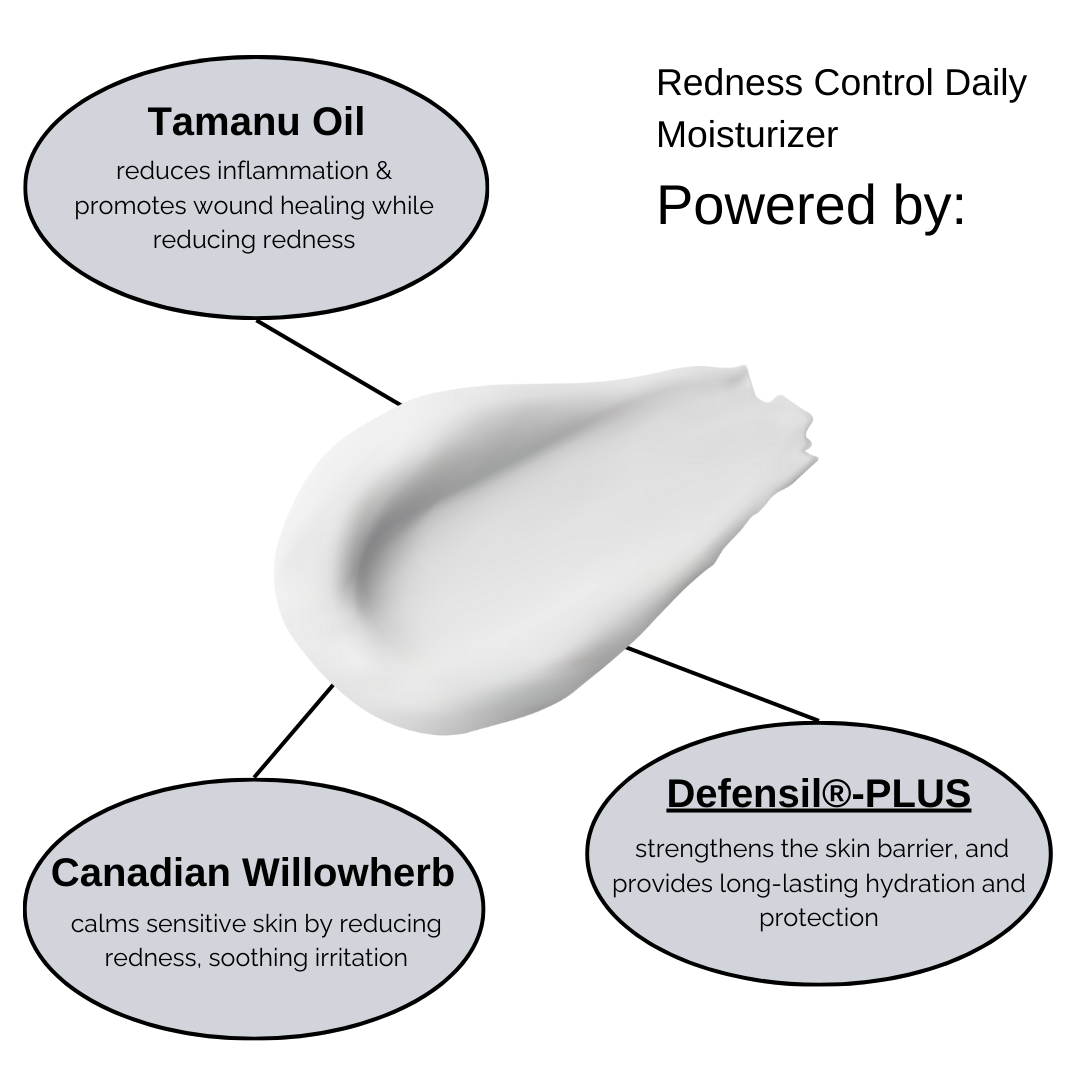
If histamine intolerance is suspected, skincare should focus on barrier support and inflammation reduction, not aggressive treatment.
What to Prioritize
- Barrier-strengthening ingredients (ceramides, cholesterol, fatty acids)
- Low-irritation antioxidants
- Minimalist formulas
- pH-balanced cleansers
What to Be Cautious With
-
High concentrations of exfoliating acids
-
Strong fragrances or essential oils
-
Overuse of retinoids