SPF 30 vs. 50: Why 30 Is Often the Better Choice for Sensitive Skin
When worn correctly and reapplied, a broad-spectrum SPF 30 gives nearly the same UVB protection as SPF 50, with less filter load, fewer potential irritants, and a lighter texture—all of which make it easier for sensitive skin to tolerate every single day.
SPF measures protection against UVB (burning) rays. The real-world difference between common daily SPFs is smaller than most people think:
- SPF 30 blocks about 97% of UVB.
- SPF 50 blocks about ≈98% of UVB.
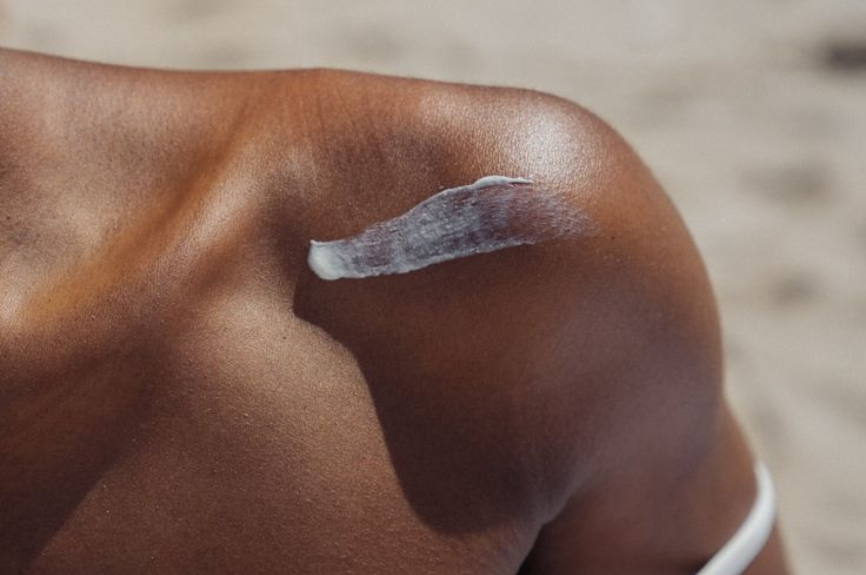
That ~1% gap sounds tiny—and it is. In practice, application amount and reapplication matter far more than chasing a higher number. If SPF 30 feels nicer and you actually wear the full amount (two fingers for face/neck) and reapply, you’re getting superb protection.
Why Sensitive Skin Often Prefers SPF 30
1) Lower filter load = lower irritation risk
To reach SPF 50, formulators typically need more UV filters (or higher percentages). With mineral formulas, that can mean higher % zinc oxide and/or titanium dioxide. While zinc oxide is generally soothing and non-sensitizing, more total filter can bring:
- Heavier texture that includes more film formers/emulsifiers (potential irritants for reactive skin).
- More rubbing during application, which can trigger flushing or stinging on sensitive or barrier-impaired skin.
With SPF 30, you can often achieve broad-spectrum coverage with less total filter—reducing the odds of flare-ups from the overall formula burden.
2) Better texture = better adherence
Sensitive skin thrives on consistency. Many find SPF 50 mineral sunscreens thicker, chalkier, or more occlusive. A lighter-weight SPF 30:
- Feels more comfortable under makeup.
- Leaves less white cast on many skin tones.
- Encourages full-amount application and on-schedule reapplication—the real drivers of protection.
3) Fewer add-ons
A simpler SPF 30 formula may need fewer stabilizers, polymers, or volatile carriers to stay elegant. Cutting non-essential extras is great news if you react to fragrances, certain preservatives, or specific solvents.
4) Lower chance of friction-induced redness
High-load mineral SPFs can take more work to spread evenly. That extra rubbing can frustrate reactive or rosacea-prone skin. Smoother-spreading SPF 30 tends to need less mechanical effort.
“Almost the Same Protection” — Explained
- SPF 30 (97%) vs SPF 50 (≈98%): The difference in raw UVB transmission is modest.
- Broad spectrum is non-negotiable: Make sure your SPF 30 says “Broad Spectrum” (or lists UVA protection ratings like PA, PPD, or UVA circle depending on your market).
A Smart Routine for Sensitive Skin
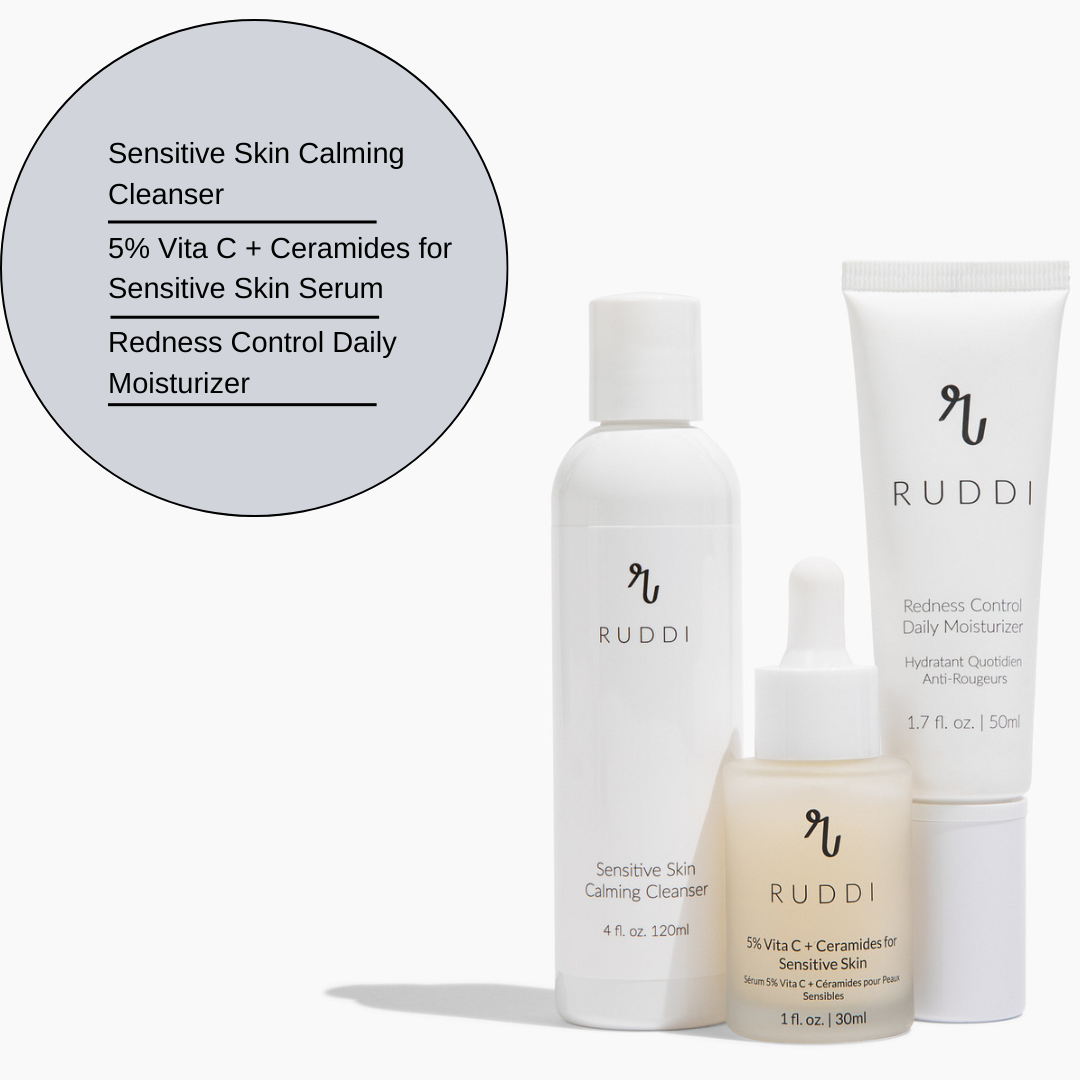
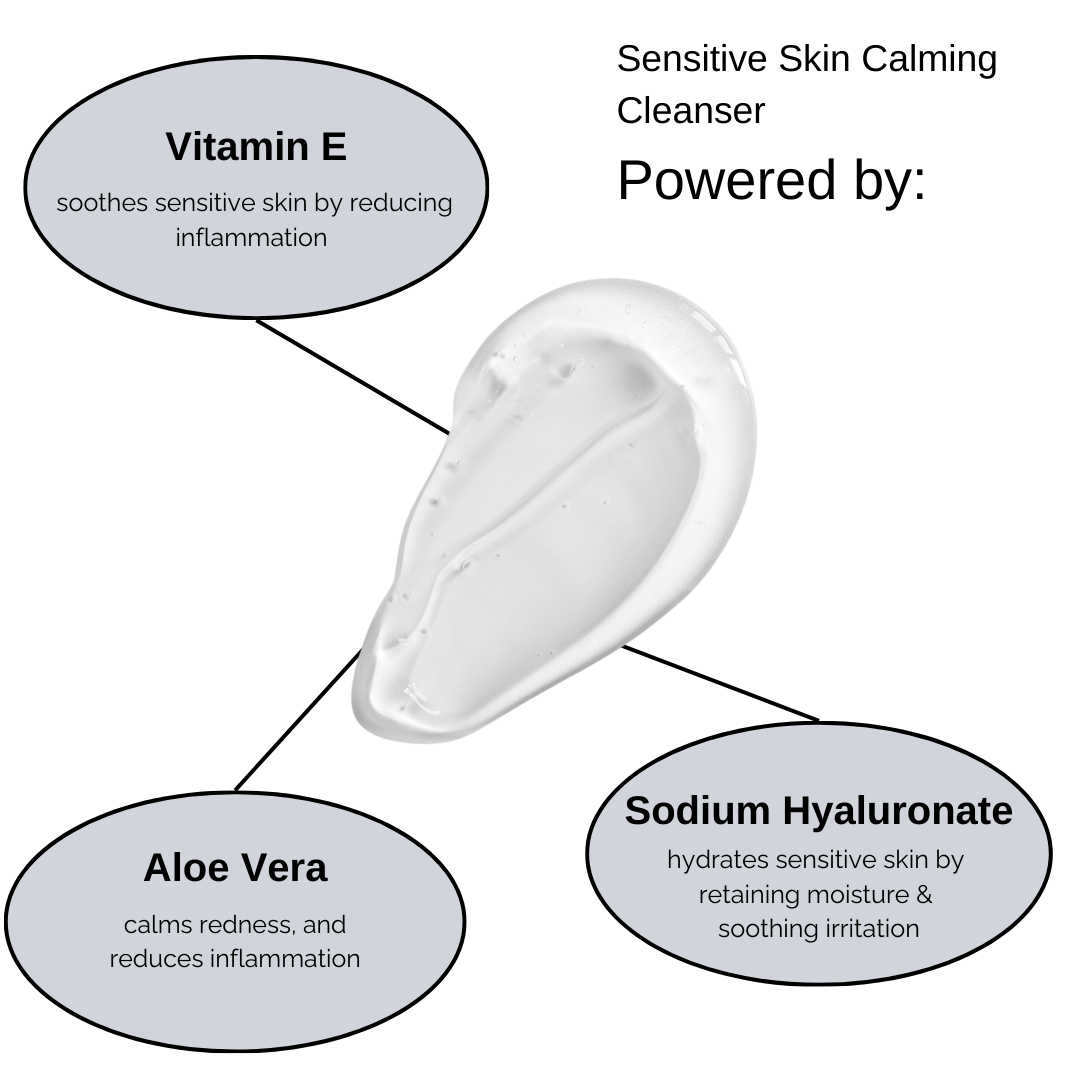
- Cleanse gently
Low-foaming, fragrance-free cleaners help avoid barrier stress.
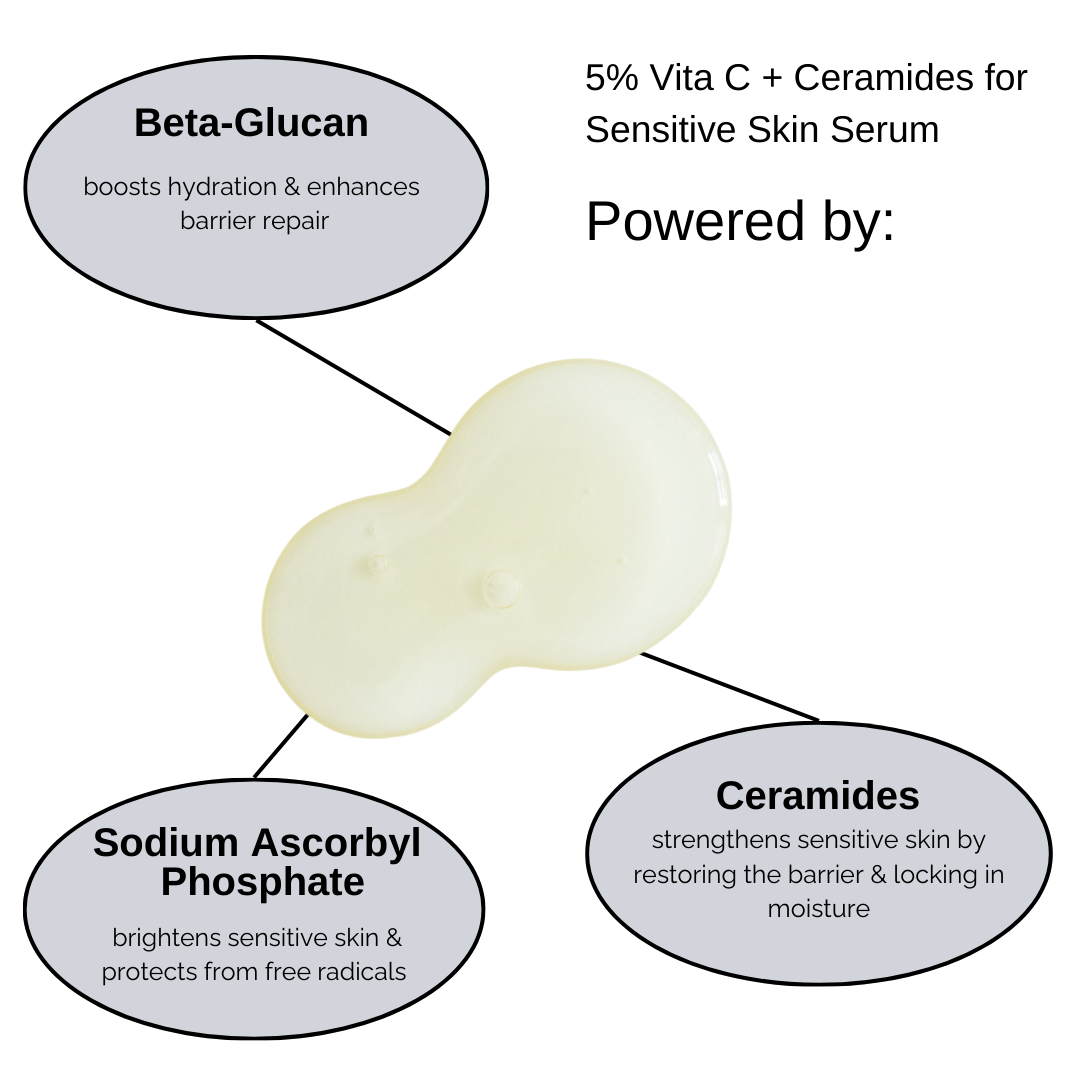
- Soothe + Barrier support
Look for ceramides, cholesterol, fatty acids, glycerin, panthenol, squalane, hyaluronic acid, and calmers like allantoin. (If you use actives like azelaic acid, pair with a cushiony moisturizer.)
- Apply a mineral, broad-spectrum SPF 30
• Prefer zinc oxide/titanium dioxide based formulas. • Use two finger-lengths for face/neck. • Reapply every 2 hours with prolonged exposure, after sweating, or toweling.
- Mind the extras: Choose fragrance-free, essential-oil-free and avoid harsh alcohols if you’re prone to stinging. Patch test new products on the jawline/ear area for 2–3 days first.
When SPF 50 Might Still Make Sense
- Intense UV conditions (high altitude, equatorial travel, all-day outdoor sports).
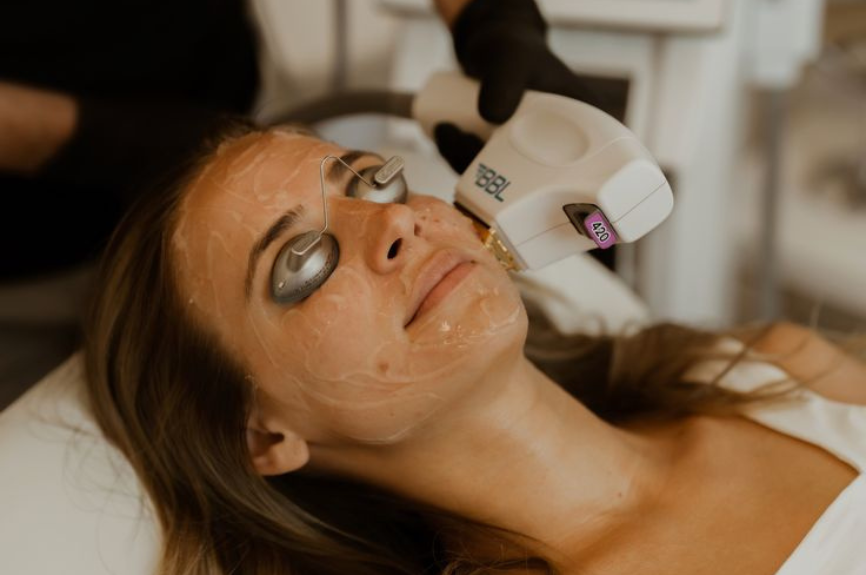
- Photosensitizing meds or procedures per your clinician.
Make sure your SPF 30 is broad spectrum—that’s what covers UVA. If available, look for PPD/PA ratings or “UVA” in a circle (EU). A balanced UVA/UVB profile matters more than chasing SPF 50.
If SPF 50 is only ~1% “better,” why does it exist?In edge cases (intense sun, clinical needs), the incremental UVB reduction can be meaningful when everything else is equal. For sensitive skin day-to-day, the trade-offs (texture, potential irritants) often aren’t worth it.
The Bottom Line
For sensitive, reactive, or redness-prone skin, a cosmetically elegant, broad-spectrum SPF 30 is often the most protective in real life because you’ll apply enough, reapply on time, and wear it daily—with fewer flare-ups.