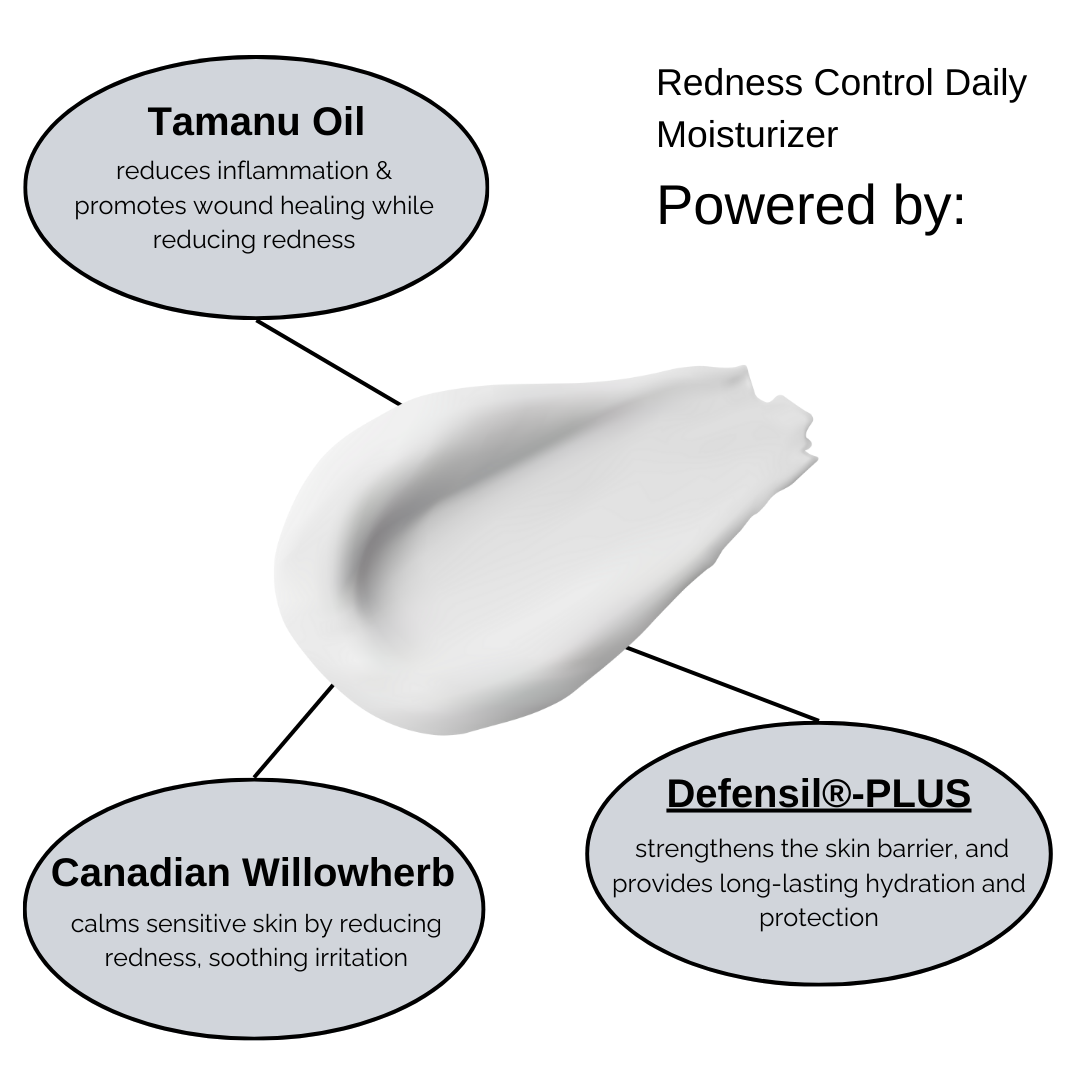
Article: Tretinoin: The Complete Guide
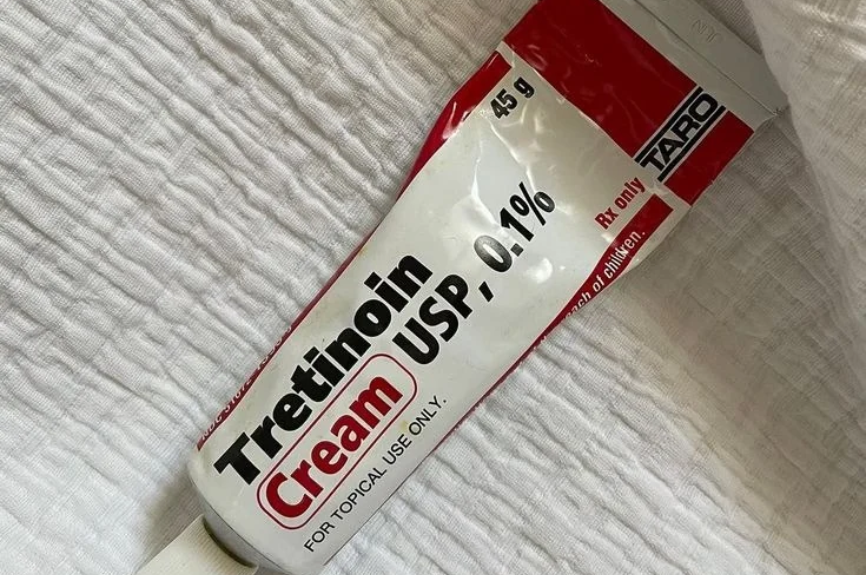
Tretinoin: The Complete Guide
If you've spent any time on skincare TikTok, you've heard of tretinoin. People swear by it for acne, dark spots and fine lines, and just as many people describe a rough first month and quit. Here's what it actually does, what to expect, and how it's different from gentler favourites like azelaic acid.
So, what is tretinoin?
Tretinoin is a prescription form of vitamin A. You may know its weaker cousin, retinol, from over-the-counter serums. Retinol has to be converted by your skin into the "real" active ingredient before it can do anything. Tretinoin is that ingredient, so it works faster and harder. It also irritates more.
In Canada you need a prescription for it, and it's officially approved for treating acne. Lots of people also use it for fine lines and dark spots, which is a conversation to have with your prescriber.
How it works
Think of your skin as a conveyor belt that's always moving old cells out and bringing new ones up. Tretinoin turns the speed up. That one change does three useful things:
- Clearer pores. Pimples start when dead skin cells stick together and plug a pore. Tretinoin keeps cells moving so fewer plugs form. It stops breakouts before they start, which is why it's especially good for blackheads and whiteheads.
- Smoother, firmer-looking skin. Sun slowly breaks down collagen, the stuff that keeps skin plump. Tretinoin slows that breakdown and nudges skin to make more. This is a slow rebuild, not a quick fix.
- More even tone. Faster shedding means pigmented cells don't hang around, so sun spots and the dark marks pimples leave behind fade.
What the first few months feel like
Here's the honest version. For the first few weeks, expect dryness, flaking and redness. Some people also get a temporary round of extra breakouts as clogged pores come to the surface. For most people this settles down.
The payoff comes later: acne usually looks better around the three-month mark, and lines and sun damage take three to six months. Most people give up in the rough patch, right before it starts to work. If your skin is raw, swollen or burning, though, that's not something to push through.
Tretinoin vs. azelaic acid
These two get mentioned together, but they're different tools.
- Tretinoin is the accelerator. It speeds up skin renewal and helps rebuild collagen. Best for clogged pores, fine lines and sun damage.
- Azelaic acid is the calmer. It gently exfoliates, settles redness, fades dark spots and helps with breakouts and rosacea. It doesn't rebuild collagen.
How they compare day to day:
- Gentleness. Azelaic acid is usually much easier on sensitive skin (a little tingling is typical). Tretinoin is the one that dries and peels.
- Sun. Tretinoin makes your skin more sensitive to sunlight, so daily sunscreen is part of the deal. Azelaic acid doesn't usually have that effect.
- Pregnancy. This is the big one. Azelaic acid is generally considered safe during pregnancy and breastfeeding. Tretinoin is usually avoided.
- Using both. They go after different things, so they can work well together. If your skin is sensitive, a common approach is azelaic acid in the morning and tretinoin at night, or alternating nights. Let your prescriber set the plan.
If your skin is easily irritated or redness-prone, azelaic acid is the gentler place to start. If you want stronger results and can ride out an adjustment period, tretinoin is worth asking about.
What not to mix it with
- Retinol or other retinoids. One at a time is plenty.
- Scrubs and exfoliating acids (AHAs, BHAs). Together with tretinoin, they're a fast route to a damaged skin barrier.
- Benzoyl peroxide. Often prescribed alongside tretinoin, but it can be drying. Ask your prescriber how to fit them in.
- Vitamin C. Fine, just not at the same time. Vitamin C in the morning, tretinoin at night.
Should you try it?
Tretinoin is powerful, but it isn't magic, and it isn't for everyone. If clogged pores, stubborn dark marks or early signs of sun damage are your main concerns, it's worth a conversation with a doctor. Go slowly, protect your skin from the sun, and give it a full three months before you decide whether it's working.