Why your skin suddenly became sensitive
If you’ve always had “normal” skin but suddenly find that every cleanser burns, your moisturizer stings, or your face is constantly red, you’re not imagining it.Sensitive skin isn’t always something you’re born with. In fact, for many people, it develops over time.
The good news? In many cases, it’s possible to identify what’s causing your skin to become more reactive—and take steps to help restore it.
What Is Sensitive Skin?Sensitive skin isn’t a medical diagnosis. It’s a term used to describe skin that reacts more easily than expected to things that normally shouldn’t cause irritation.
You may notice:
- Burning or stinging after applying skincare
- Persistent redness or flushing
- Tightness, even after moisturizing
- Dry, flaky patches
- Itching or discomfort
- Products you’ve used for years suddenly causing irritation
This happens because your skin’s natural protective barrier is no longer functioning as efficiently as it should.
Your Skin Barrier: Your First Line of Defence
Think of your skin barrier like a brick wall.The skin cells are the bricks, while lipids (including ceramides, cholesterol and fatty acids) act as the mortar holding everything together.
When that wall is healthy, it helps:
- Lock moisture into the skin
- Keep irritants, allergens and pollutants out
- Maintain a healthy skin microbiome
- Reduce water loss
- Protect against environmental stress
When the barrier becomes weakened, tiny gaps form. Moisture escapes more easily, while potential irritants can penetrate deeper into the skin. The result? Skin becomes increasingly reactive, even to products that were once perfectly tolerated.
Why Does Skin Suddenly Become Sensitive?
There’s rarely one single cause. Instead, sensitivity often develops after repeated stress on the skin over months or even years.
1. Overusing Active Ingredients
Many of us have been taught that stronger skincare equals better results.Using multiple exfoliating acids, retinoids, scrubs and high-strength treatments at the same time can slowly weaken your skin barrier.Common culprits include:
- Glycolic acid
- Salicylic acid
- Retinoids
- Benzoyl peroxide
- Frequent exfoliation
These ingredients can be incredibly effective—but only when used appropriately and balanced with barrier-supportive skincare.
2. Ageing Skin
As we age, our skin naturally produces fewer protective lipids.Research has shown that ageing skin experiences:
- Reduced ceramide production
- Slower skin renewal
- Increased transepidermal water loss (TEWL)
- Reduced natural moisturizing factors
This is one reason why skincare products you’ve tolerated for decades may suddenly begin to sting in your 40s, 50s or beyond.
3. Seasonal Changes
Cold Canadian winters, dry indoor heating, wind and low humidity all place additional stress on the skin barrier.
During the summer, increased UV exposure, sweating and heat can also contribute to inflammation.
Many people notice their skin becomes significantly more sensitive during seasonal transitions.
4. Hormonal Changes
Hormones influence everything from oil production to inflammation.Sensitivity commonly develops during:
- Pregnancy
- Postpartum
- Perimenopause
- Menopause
Hormonal shifts can temporarily reduce the skin’s ability to maintain a strong barrier, making previously tolerated products feel irritating.
5. Chronic Stress
Stress doesn’t just affect your mind—it affects your skin.When stress hormones remain elevated over time, they can:
- Increase inflammation
- Slow barrier repair
- Increase water loss
- Trigger flushing in conditions like rosacea
This is why stressful periods often coincide with unexplained skin flare-ups.
6. Too Much Sun Exposure
UV exposure doesn’t simply cause sunburn.Over time, it can weaken the skin barrier, increase inflammation and generate free radicals that damage healthy skin cells.
Daily broad-spectrum sunscreen remains one of the best long-term investments you can make for both skin health and healthy ageing.
7. Environmental Pollution
Pollution, cigarette smoke and airborne particles generate oxidative stress on the skin.Over time, these environmental exposures may:
- Increase inflammation
- Disrupt the skin barrier
- Accelerate visible signs of ageing
- Make skin more reactive
While we can’t completely avoid pollution, supporting the skin barrier and using antioxidant-rich skincare may help reduce some of its effects.
8. Developing Rosacea or Other Skin Conditions
Sometimes new sensitivity is the first sign of an underlying skin condition.Rosacea often begins with:
- Flushing
- Burning sensations
- Increased sensitivity
- Persistent redness
Similarly, eczema, seborrheic dermatitis and contact dermatitis can all make skin far more reactive than usual.
If your symptoms develop suddenly, continue to worsen or don’t improve with a simplified skincare routine, it’s worth consulting a dermatologist or healthcare professional.
Signs Your Skin Barrier May Be Compromised
You may have a weakened barrier if you notice:
- Products suddenly sting
- Your skin feels tight after cleansing
- Moisturizer doesn’t seem to help
- Redness lasts longer than usual
- Dry patches keep returning
- Your skin feels both oily and dehydrated
- You’re reacting to products you’ve previously used without issue
How to Help Your Skin Recover
The goal isn’t to throw more products at your skin—it’s to remove unnecessary stress and support its natural repair process.
Here are a few simple steps:
Simplify Your RoutineTake a break from unnecessary active ingredients and focus on the basics:
Be Patient
Barrier repair doesn’t happen overnight.Depending on the severity of the damage, recovery can take several weeks—or even longer if the skin has been chronically inflamed.
Consistency matters far more than constantly switching products.
Prioritize Barrier-Supportive IngredientsLook for ingredients that help calm inflammation and reinforce the skin’s natural barrier, such as:
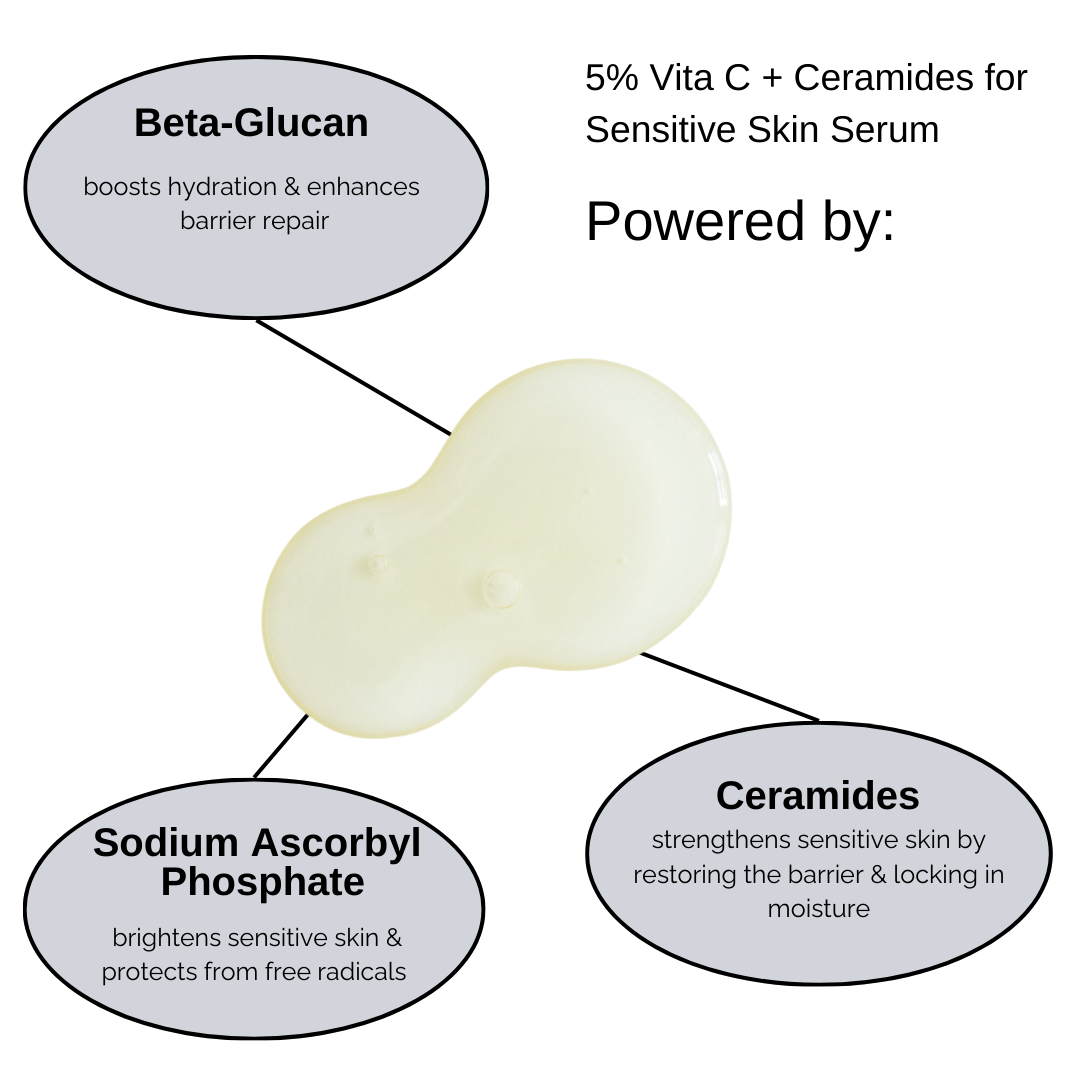
- Ceramides
- Panthenol
- Beta-glucan
- Bisabolol
- Centella asiatica
- Colloidal oatmeal (for those who tolerate it)
Protect Your Skin Daily
Even on cloudy days, UV exposure contributes to cumulative skin damage.A gentle, broad-spectrum mineral sunscreen helps protect your skin while supporting long-term barrier health.
Sensitive skin isn’t always something you’re born with—it can develop gradually as your skin barrier becomes overwhelmed by daily stressors like harsh skincare, UV exposure, hormones, ageing and environmental factors.
The encouraging news is that skin isn’t static. With the right routine and consistent barrier support, many people can help reduce reactivity over time and restore a healthier, more resilient complexion.
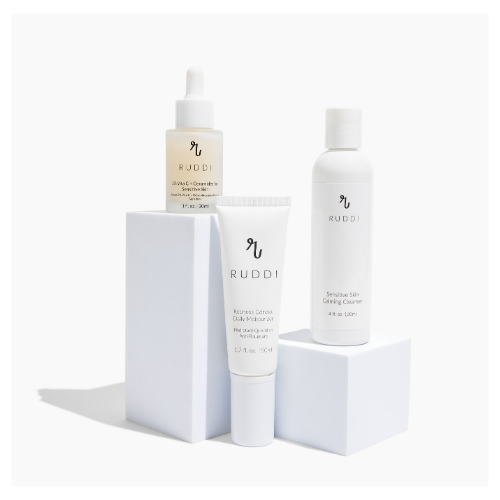
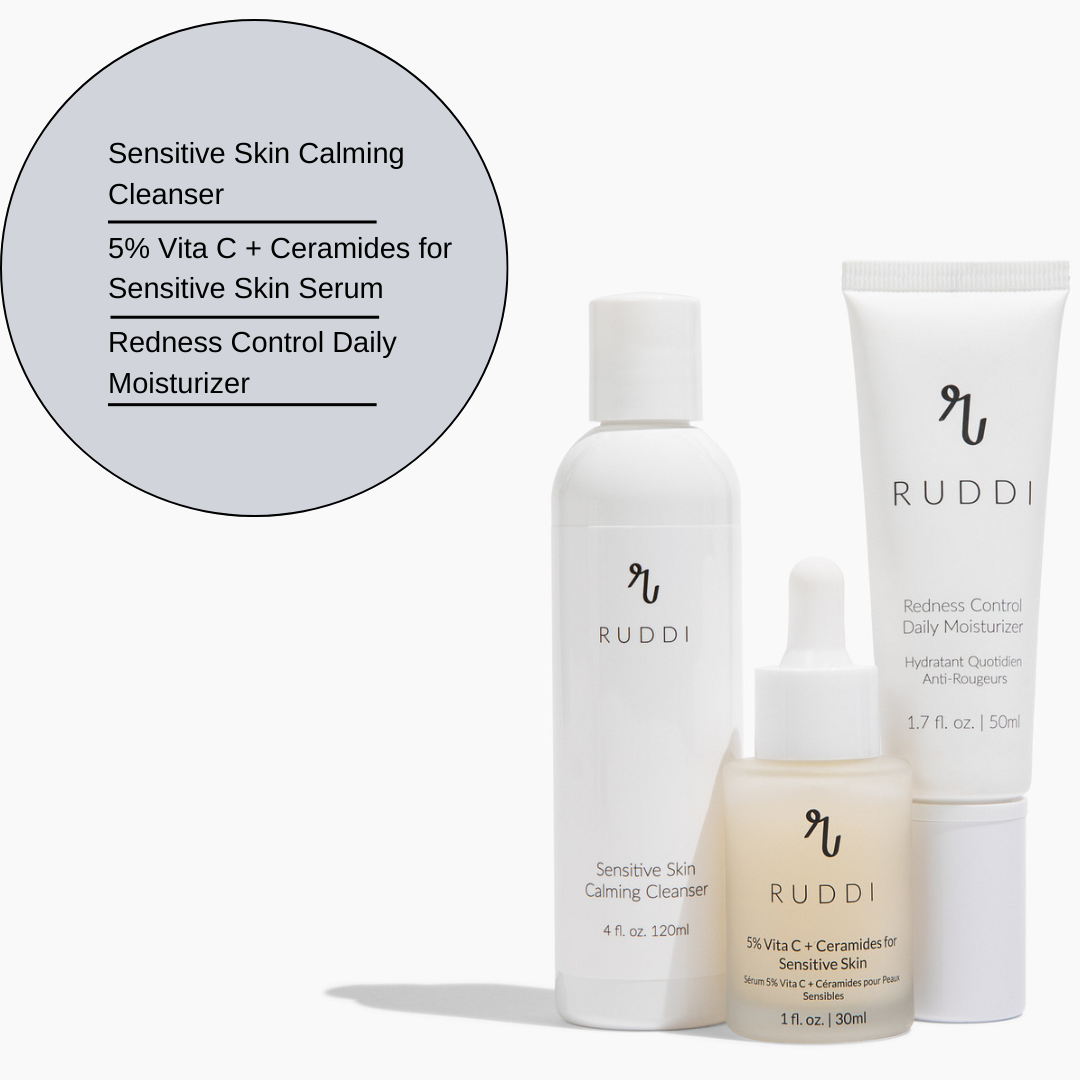
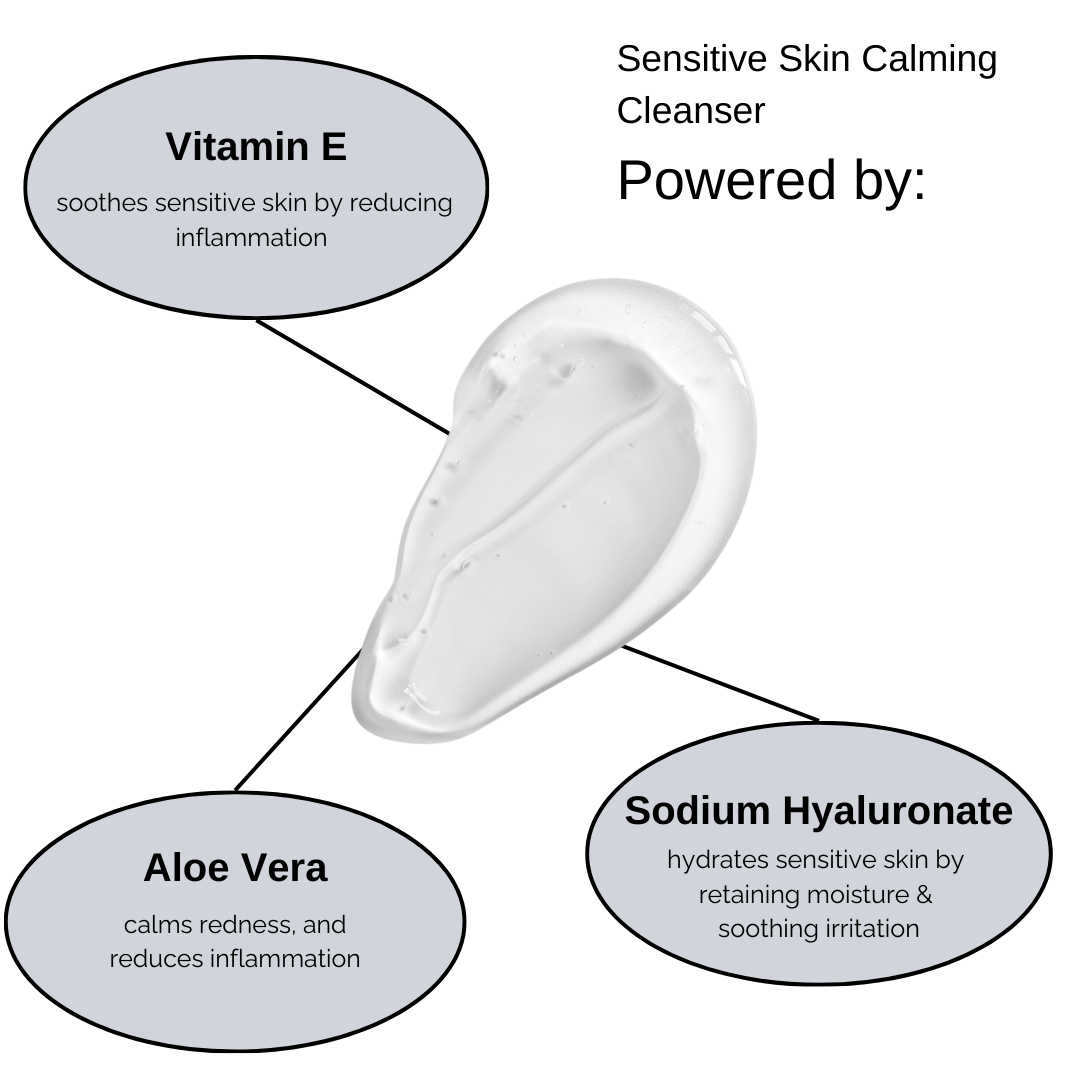
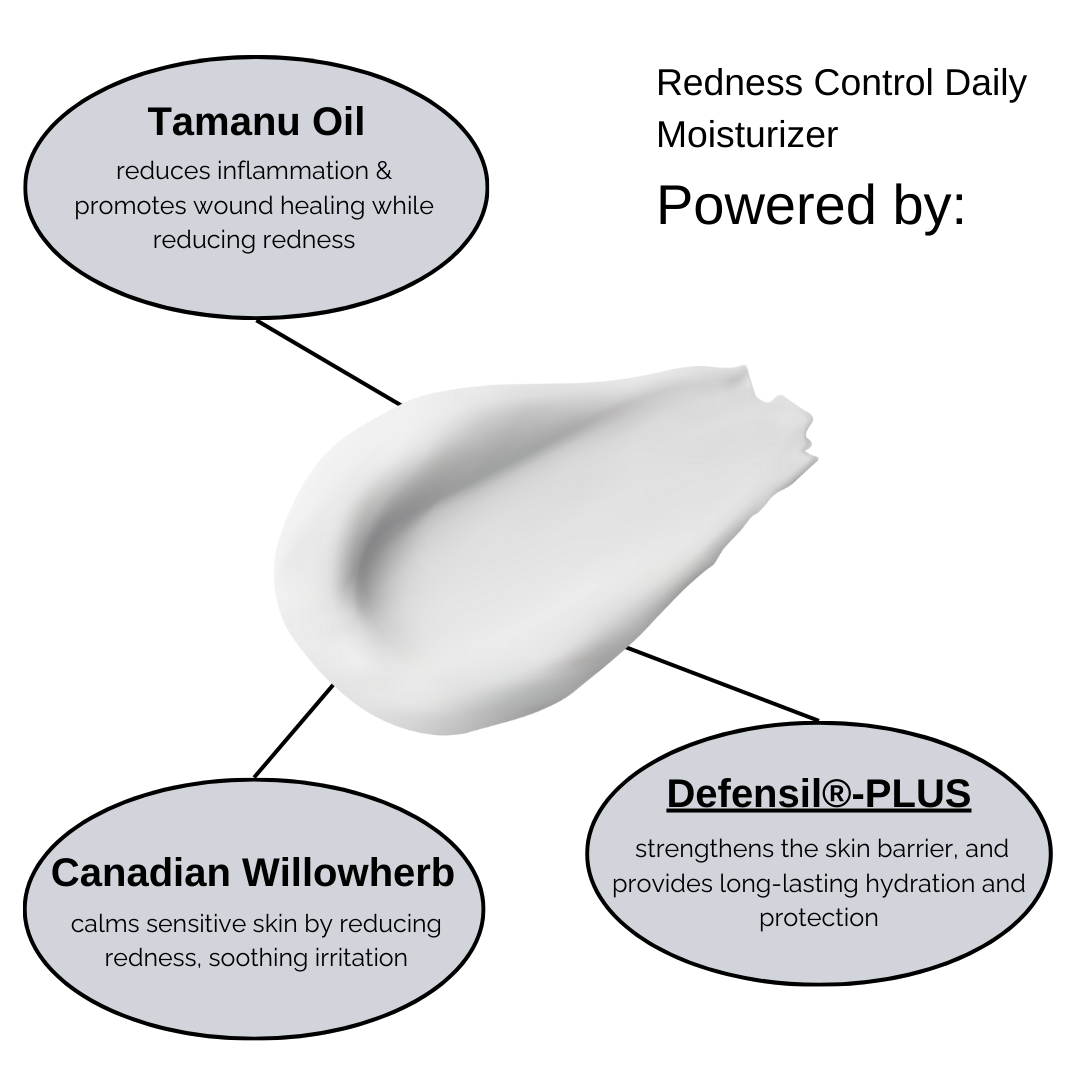
At RUDDI, we believe skincare shouldn’t constantly challenge your skin—it should help strengthen it. That’s why every formula we create is designed with sensitive, rosacea-prone skin in mind, focusing on calming inflammation and supporting the skin barrier rather than overwhelming it.
Because healthy skin isn’t about tolerating irritation—it’s about helping your skin feel comfortable, resilient and supported every single day.