
Barrier Repair Is Great. But What About Barrier Resilience?
If you’ve spent any time researching sensitive skin, you’ve probably come across the term skin barrier repair.
For years, the focus has been on fixing a damaged barrier. And for good reason. When your barrier isn’t functioning properly, your skin can feel dry, tight, irritated, and generally uncomfortable.
But lately, there’s been a shift in how dermatologists and skincare brands are talking about barrier health.
The conversation is moving beyond repair and towards something called barrier resilience.
So what’s the difference?
Think of barrier repair as recovery.
Your skin barrier has been disrupted—maybe from over-exfoliating, a harsh product, cold weather, or just too many active ingredients at once—and now you’re trying to get things back on track.
Barrier resilience is different.
It’s your skin’s ability to handle everyday stress without becoming irritated in the first place.
A resilient barrier can adapt to changes in weather, tolerate products better, recover more quickly when something does trigger irritation, and generally stay balanced over time.
Why it matters for sensitive skin
People often assume sensitive skin means something is permanently wrong with their skin.
In reality, many people have skin that’s simply working harder than it should be.
You might notice that:
- Your skin stings when you apply products.
- Winter completely throws your routine off.
- A product you used to love suddenly starts causing irritation.
- Redness comes and goes for no obvious reason.
These can all be signs that your skin barrier is struggling to keep up with the stress it’s under.
The everyday things that wear down your barrier
It’s usually not one dramatic event.
More often, it’s a buildup of small things:
- Over-cleansing
- Over-exfoliating
- Constantly trying new products
- Environmental stress like sun, wind, and pollution
- Not getting enough recovery time between active ingredients
Even stress itself can play a role. Research continues to show strong connections between stress, inflammation, and skin sensitivity.
Building resilience doesn’t mean doing more
This is where a lot of people get stuck.
When skin feels irritated, the instinct is often to add another serum, another treatment, or another step.
But resilient skin is usually built through consistency, not complexity.
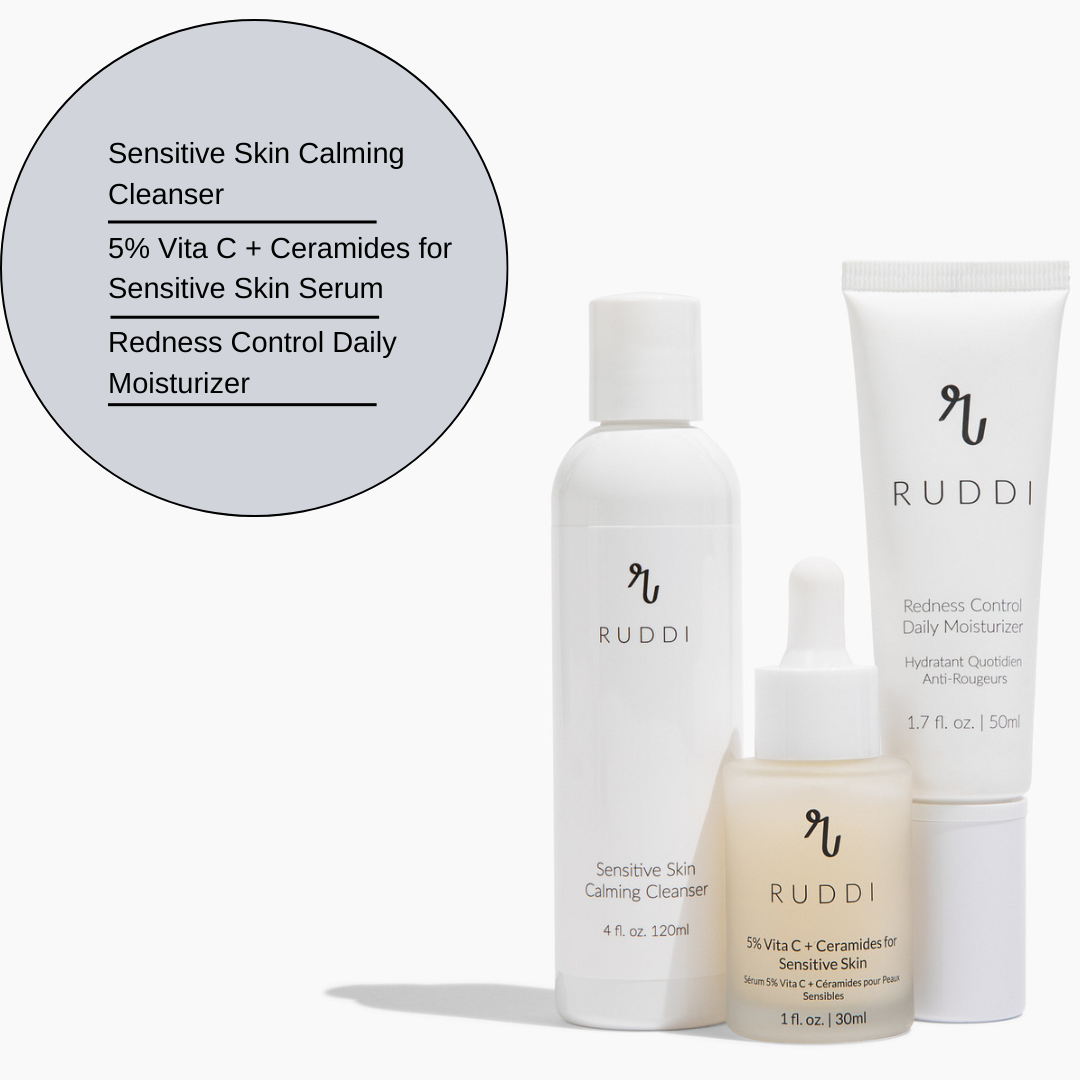
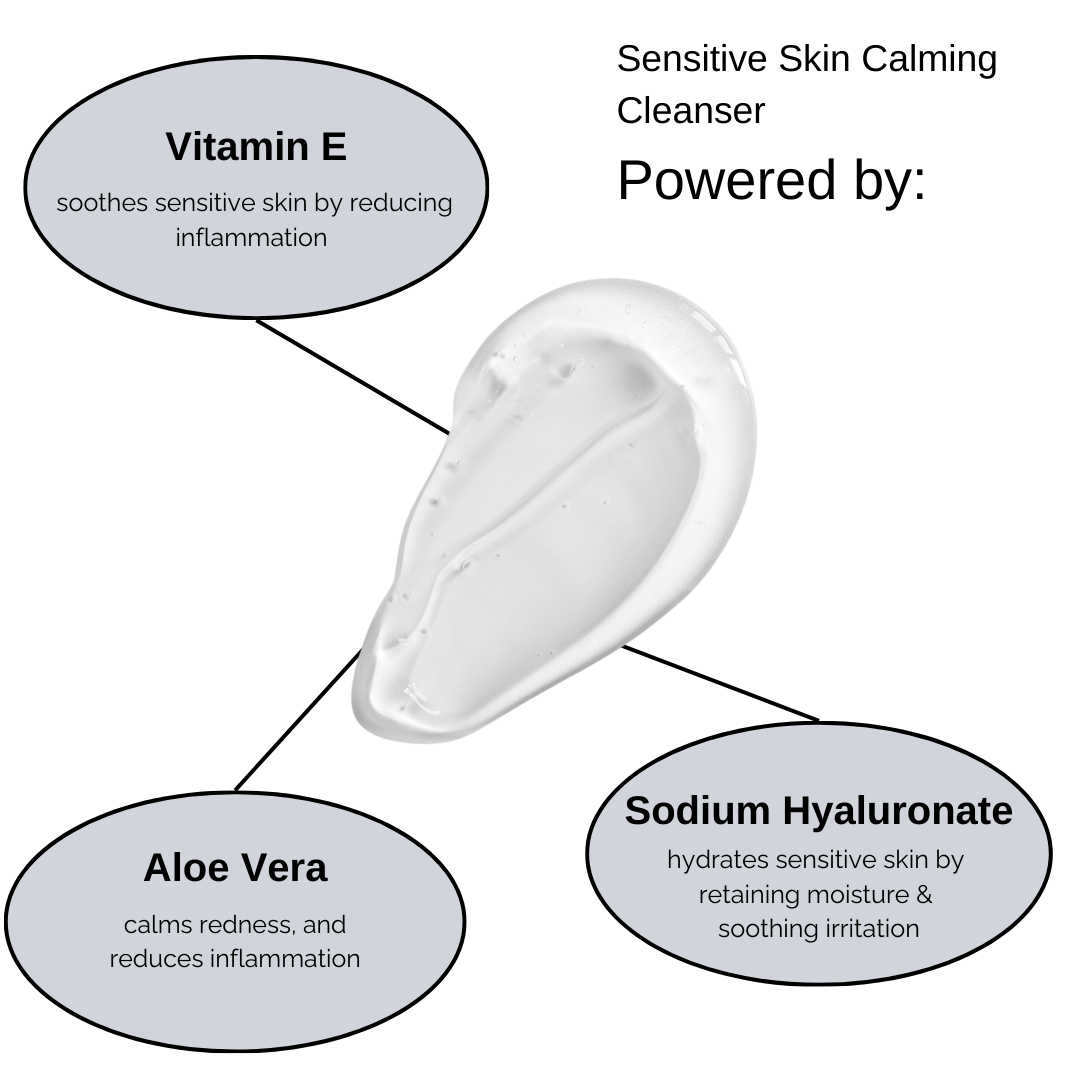
A gentle cleanser. A moisturizer that supports the barrier. Daily sunscreen. A few well-chosen active ingredients that your skin actually tolerates.
That’s often enough.
Where ingredients like azelaic acid fit in
One of the reasons azelaic acid has become so popular among people with sensitive skin is that it helps address concerns like visible redness and uneven skin tone without being as aggressive as some other actives.
It’s not about forcing your skin to change overnight.
It’s about supporting healthier, calmer skin over time.
The bigger picture
Barrier repair will always be important.
But the goal shouldn’t be living in a cycle of damaging your skin and then trying to fix it.
The goal is building skin that’s better equipped to handle whatever life throws at it.
That’s what resilience is really about.
And for sensitive skin, it may be one of the most important shifts happening in skincare right now.