
The Hidden Side of Rosacea: How Your Nerves Influence Flare-Ups
For decades, rosacea was largely viewed as a vascular skin condition.
The prevailing theory was relatively straightforward: blood vessels in the face were overly reactive, causing flushing, persistent redness, and visible capillaries. When someone experienced a flare-up after drinking red wine, eating spicy food, or spending time in the sun, it seemed to support this explanation. The blood vessels dilated, redness appeared, and rosacea symptoms worsened.
The prevailing theory was relatively straightforward: blood vessels in the face were overly reactive, causing flushing, persistent redness, and visible capillaries. When someone experienced a flare-up after drinking red wine, eating spicy food, or spending time in the sun, it seemed to support this explanation. The blood vessels dilated, redness appeared, and rosacea symptoms worsened.
As a result, much of rosacea treatment focused on managing visible redness and reducing the appearance of blood vessels.
But there was a problem.
This theory couldn’t fully explain why so many people with rosacea reported symptoms that went far beyond what could be seen in the mirror.
Researchers began asking an important question:
If rosacea is simply a blood vessel disorder, why does it often feel like so much more?
The Shift in Understanding
Over the last decade, research has revealed that rosacea is far more complex than previously believed.
Instead of being solely a vascular condition, rosacea is now understood as a disorder involving multiple interconnected systems:
- The skin barrier
- The immune system
- Blood vessels
- The skin microbiome
- The nervous system
Many experts now describe rosacea as a neuro-inflammatory condition, meaning that nerves and inflammatory pathways may play a significant role in triggering symptoms.
In other words, the redness you see may be only one part of the story.
In other words, the redness you see may be only one part of the story.
Underneath the surface, sensory nerves in the skin may be constantly communicating with immune cells and blood vessels. When these signals become amplified, the skin can react disproportionately to everyday triggers such as heat, stress, exercise, spicy foods, or even certain skincare products.
Why Rosacea Can Burn, Sting, and Feel Hot
Have you ever experienced intense burning or heat in your skin even when you couldn’t see significant redness?
You’re not imagining it.
Researchers believe that sensory nerves in rosacea-prone skin can become overly responsive. These nerves help detect temperature, touch, and irritation. When activated, they release chemical messengers that can trigger inflammation and dilation of blood vessels.
This creates a cycle:
- A trigger activates sensitive nerve endings.
- Blood vessels widen, causing flushing.
- Inflammatory signals increase.
- The skin feels hot, irritated, or uncomfortable.
- Additional inflammation can further sensitize the nerves.
This process is known as neurogenic inflammation—a form of inflammation driven by the interaction between nerves and the immune system.
Common Triggers Aren’t Always About the Skin
Many rosacea triggers have something in common: they stimulate the nervous system.
Common examples include:
- Emotional stress
- Heat exposure
- Spicy foods
- Hot beverages
- Intense exercise
- Sudden temperature changes
These triggers don’t necessarily damage the skin directly. Instead, they can activate nerve pathways that contribute to flushing and inflammation.
This helps explain why two people can use the same skincare product or encounter the same environment and have completely different reactions.
The Connection Between Rosacea and Sensitive Skin
Many people with rosacea also describe their skin as sensitive. This overlap isn’t a coincidence. Research increasingly suggests that sensitive skin involves both a weakened skin barrier and heightened sensory responses. In other words, the skin may be more vulnerable to external irritants while also being more likely to perceive sensations such as stinging, burning, or discomfort.
When the skin barrier becomes compromised, irritants can penetrate more easily. This may further activate already-sensitive nerve endings and contribute to flare-ups.
Why Barrier Support Still Matters
While researchers continue to study the nerve-skin connection in rosacea, one thing remains clear: a healthy skin barrier is essential.
A strong barrier helps:
- Reduce moisture loss
- Protect against environmental stressors
- Limit irritation from external triggers
- Support overall skin resilience
This is why gentle, barrier-supportive skincare is often recommended for rosacea-prone and sensitive skin.
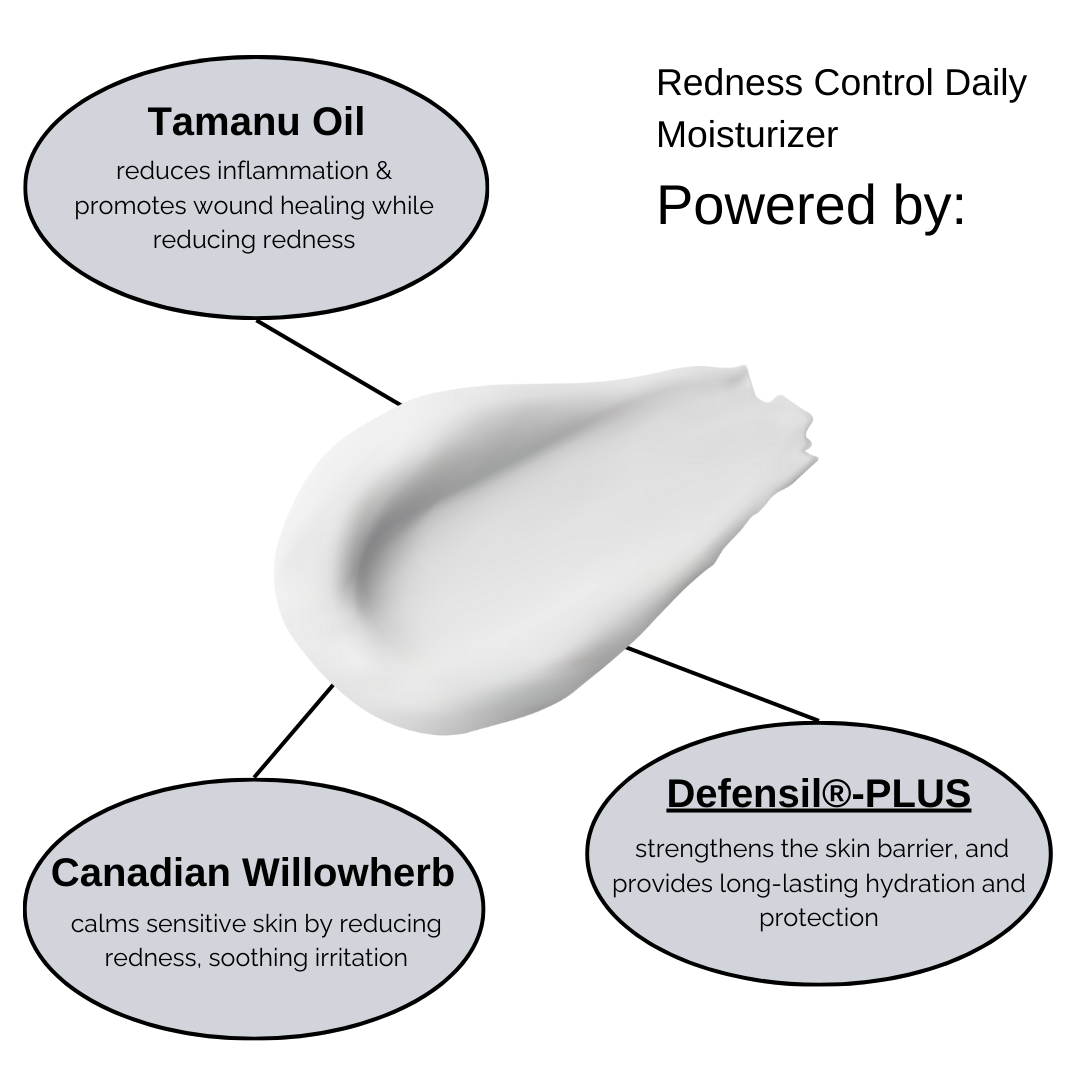
Look for products formulated to help calm and strengthen the skin rather than aggressively treating symptoms. Ingredients such as ceramides, niacinamide, colloidal oatmeal, and azelaic acid are commonly used to support barrier health and promote a more balanced complexion.
The Future of Rosacea
As our understanding of rosacea evolves, experts are beginning to recognize that rosacea isn’t the same for everyone.
For some people, inflammation may play the leading role. For others, nerve sensitivity may be a larger contributor to symptoms. This growing understanding may eventually lead to more personalized approaches to rosacea management.
What is becoming increasingly clear is that rosacea is more than redness alone.
The sensations you feel—the warmth, burning, stinging, and discomfort—are real, and they may be linked to a complex interaction between your skin, immune system, and nervous system.
By focusing on barrier support, trigger awareness, and gentle skincare, you can help create an environment where sensitive, rosacea-prone skin feels more comfortable and resilient over time.