Dry Skin vs. Dehydrated Skin: What’s the Difference
Many people use the terms dry skin and dehydrated skin interchangeably, but they’re not the same thing. Understanding the difference is one of the most important steps in building a routine that actually helps your skin instead of irritating it further — especially if you’re dealing with sensitivity, rosacea, or a compromised barrier.Let’s break it down clearly and simply.
What Is Dry Skin?
Dry skin is a skin type. It means your skin naturally produces less oil (lipids) than needed to maintain a healthy barrier.Common signs of dry skin:
- Persistent tightness
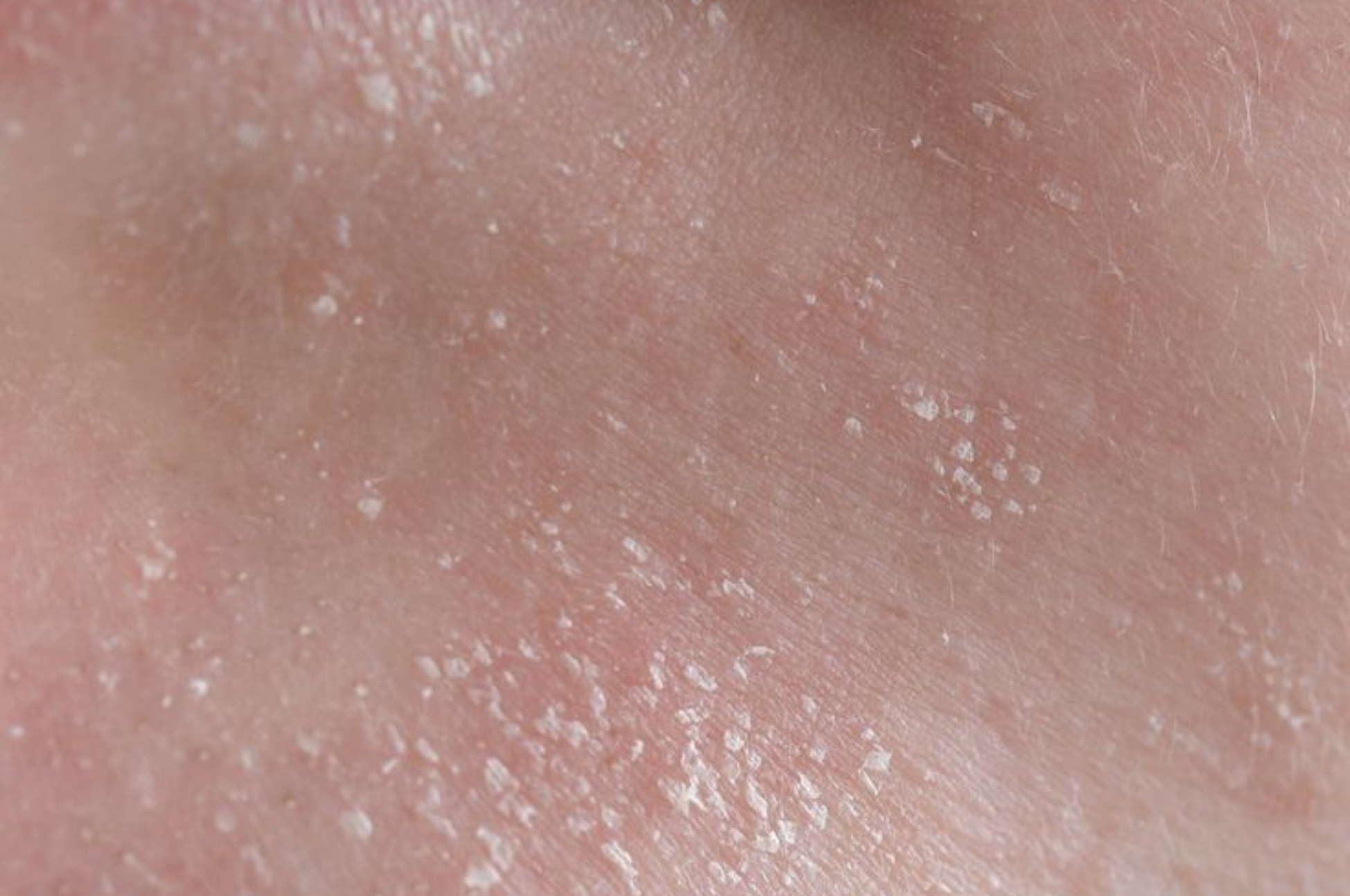
- Rough or flaky texture
- Fine lines that don’t disappear with hydration
- Dull or ashy appearance
- Skin that feels uncomfortable after cleansing
Dry skin lacks oil, not water. Without enough lipids, the skin barrier can’t properly seal in moisture or protect against irritants.
What dry skin needs:
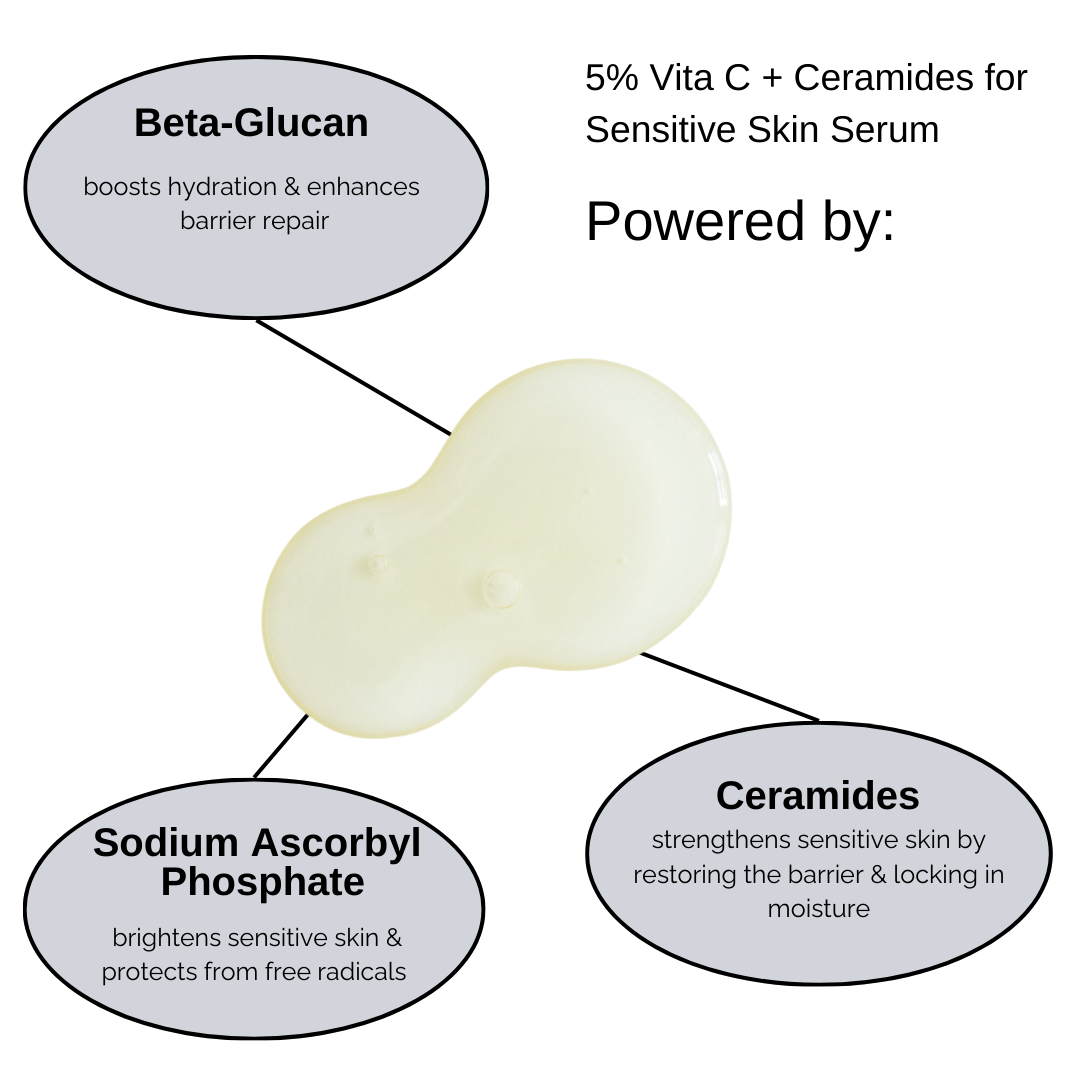
- Barrier-supporting ingredients
- Lipids (fatty acids, ceramides, cholesterol)
- Gentle cleansing
- Consistent nourishment
At RUDDI, our formulations are built with barrier health in mind — because when the barrier is supported, dry skin becomes more resilient and comfortable over time.
What Is Dehydrated Skin?
Dehydrated skin is a condition and anyone can have it, even oily or acne-prone skin.Dehydration means the skin is lacking water, not oil.Common signs of dehydrated skin:
- Skin feels tight but looks shiny
- Makeup cracks or separates
- Fine lines appear suddenly and fade after moisturizing
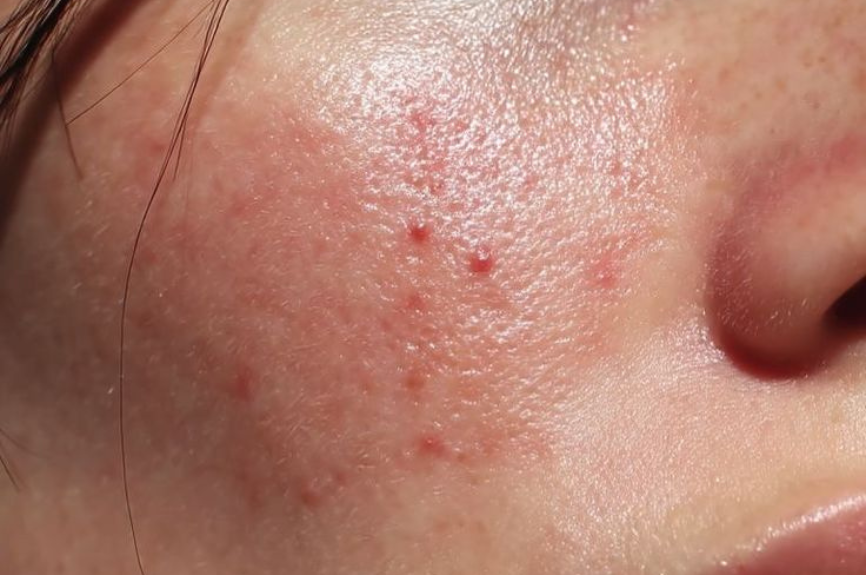
- Increased sensitivity or flushing
- Skin feels better briefly after misting, then tight again
Dehydrated skin often happens when:
- The barrier is compromised
- Cleansing is too frequent or harsh
- Actives are overused
- The environment is dry or cold
- There’s inflammation (rosacea, eczema, acne treatments)
What dehydrated skin needs:
- Water-binding ingredients
- Gentle hydration
- Reduced stimulation
- Barrier repairThis is why simply “adding more moisturizer” doesn’t always fix dehydration — hydration has to be held in, not just applied.
Can Skin Be Dry and Dehydrated? Yes — and this is extremely common.
Many people with rosacea or sensitive skin have:
- Dry skin type (low oil production)
- Dehydrated condition (water loss due to barrier damage)
In these cases, the focus should be on:
- Gentle cleansing
- Hydration
- Barrier support
- Minimal irritation
This philosophy is central to how RUDDI approaches skin health — calm first, then correct.
How to Support Dry Skin
1. Cleanse gently (or less often)
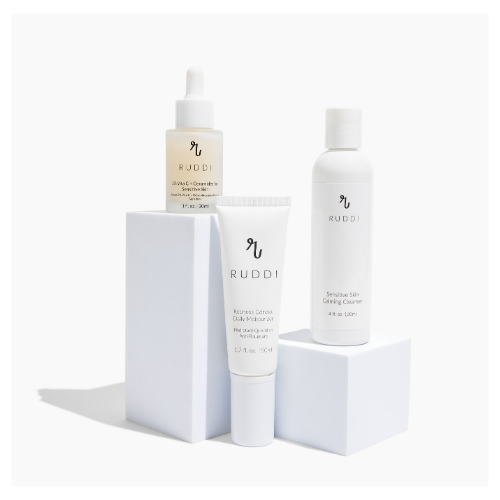
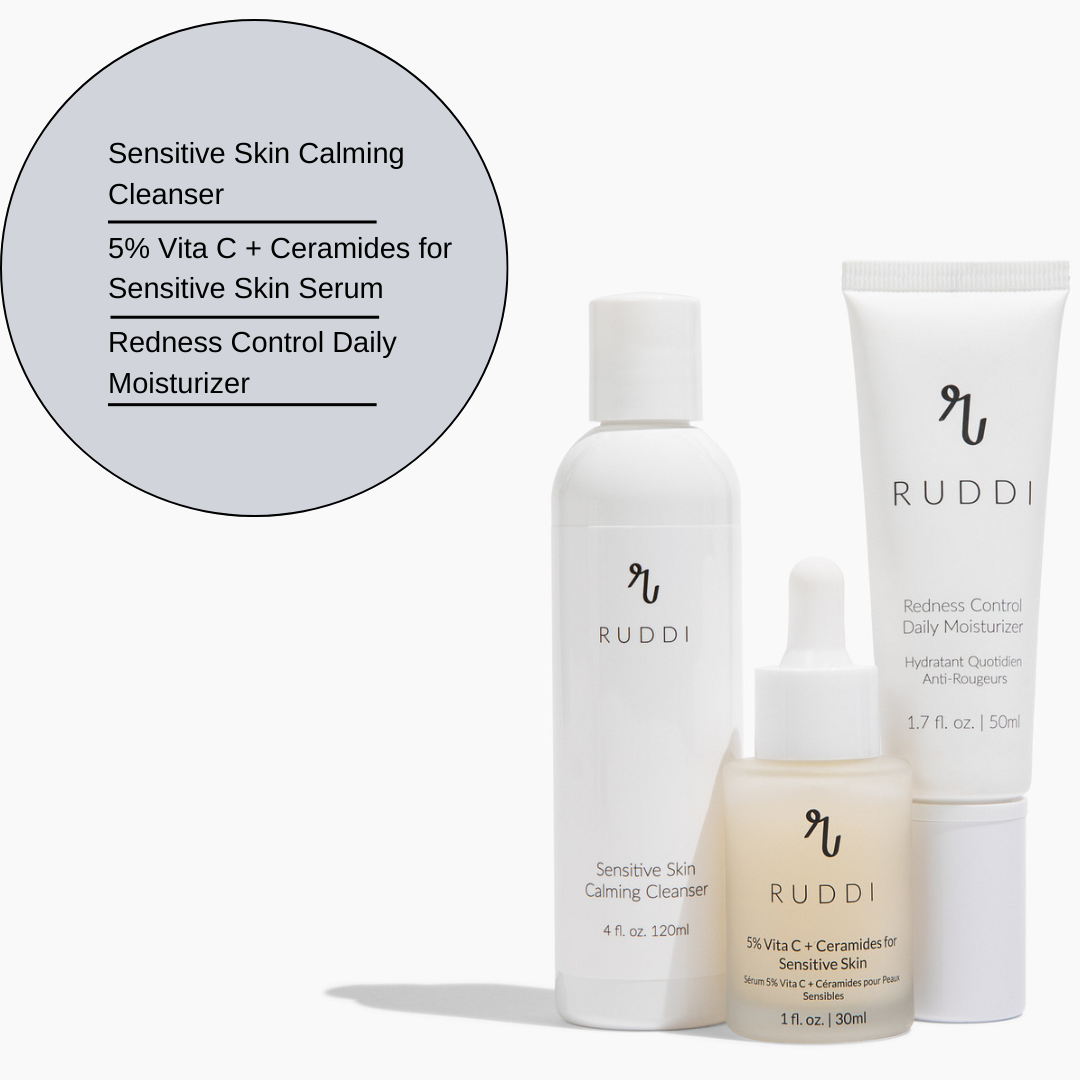
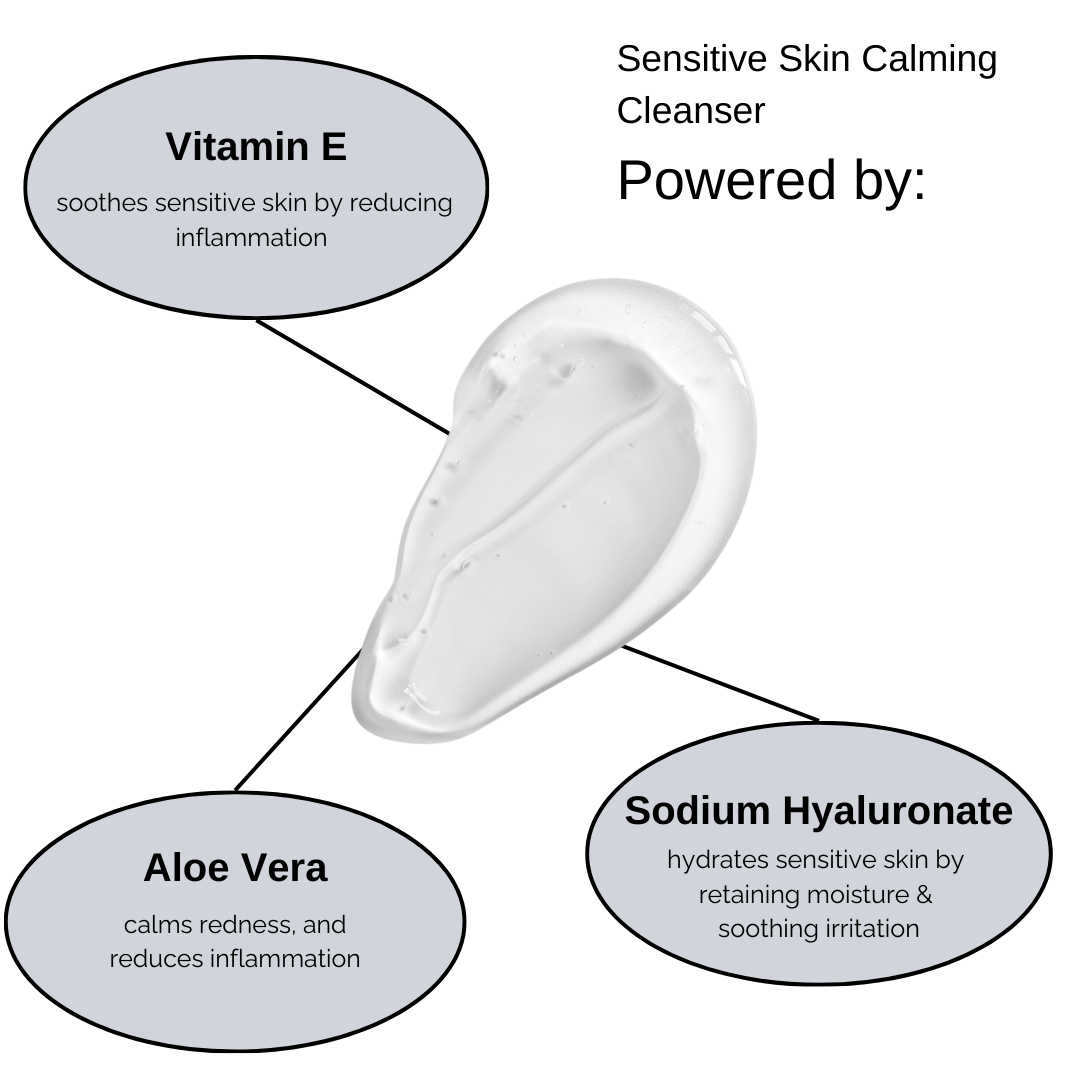
Over-cleansing strips already-limited oils. A non-foaming, low-stimulation cleanser — like our Sensitive Skin Cleanser — helps clean without disrupting the barrier. Many people with dry or reactive skin do best cleansing only at night.
2. Use lipid-rich moisturizers
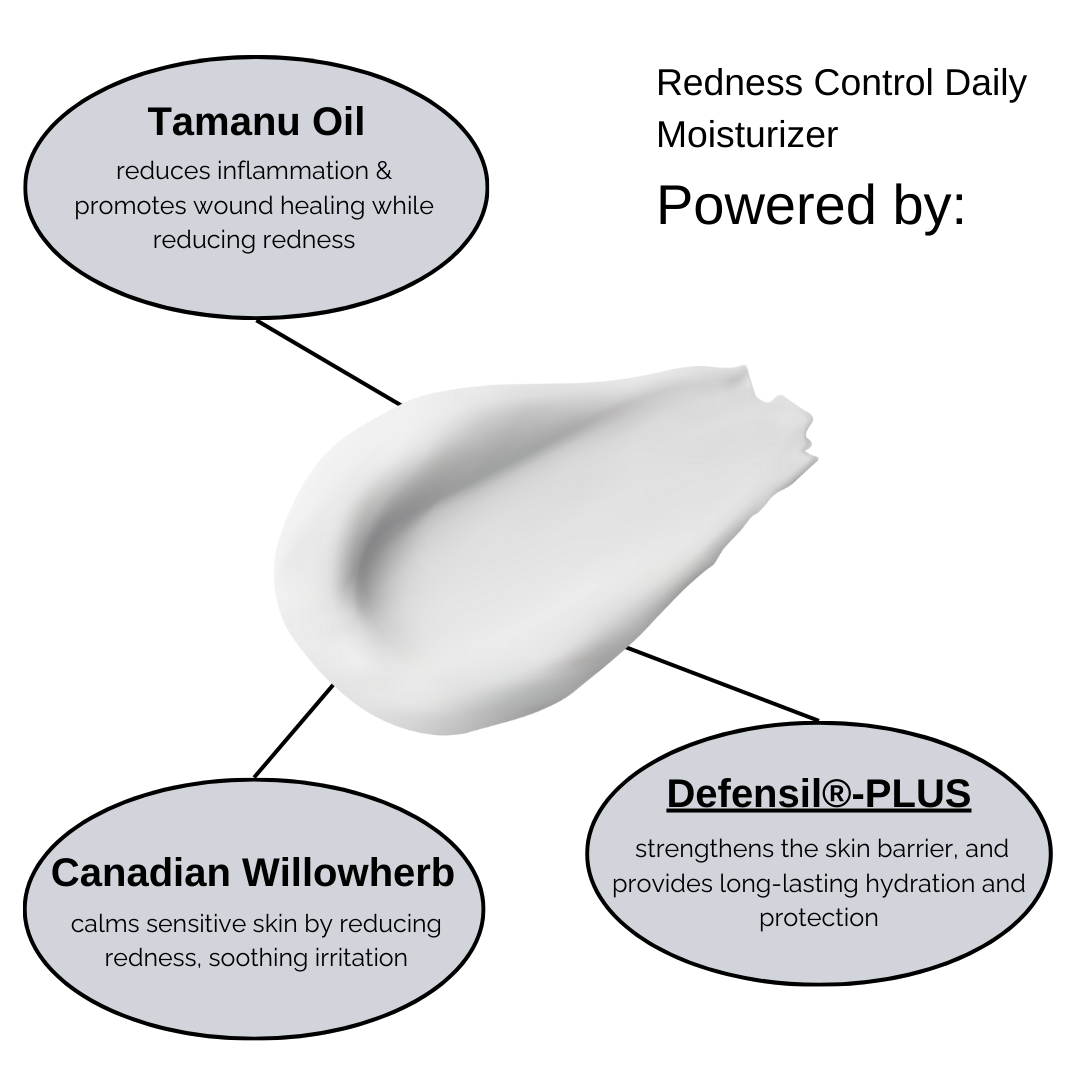
Dry skin needs more than hydration — it needs nourishment. A moisturizer like Redness Control supports the skin barrier with ingredients chosen to reinforce, not overwhelm. Apply consistently, even when skin feels “okay.”
3. Avoid over-exfoliation
Dry skin does not benefit from scrubs, frequent acids, or retinoids. These often worsen dryness and sensitivity long-term.
How to Support Dehydrated Skin
1. Apply moisturizer to slightly damp skin
This helps trap water in the skin. Redness Control Moisturizer works well here because it supports hydration and barrier function without relying on heavy occlusives that can feel suffocating. If damp application stings, apply to dry skin — comfort always comes first.
2. Reduce routine complexity
Too many steps = too much stimulation. Dehydrated skin improves faster with fewer products and consistent use.
3. Be cautious with mists and toners
Hydrosols and mists can feel soothing but may increase evaporation if not sealed in properly. If you use one, always follow with a moisturizer.
What About Actives?
When skin is dry or dehydrated, actives should wait until balance improves. Once the barrier is more stable, ingredients like azelaic acid can be introduced slowly and thoughtfully — especially for rosacea-prone skin. Azelaic acid supports redness, inflammation, and barrier function, but timing and frequency matter.
Healing is not about doing more — it’s about doing what your skin can tolerate consistently.
The Takeaway:
- Dry skin lacks oil
- Dehydrated skin lacks water
- Many people have both
- Barrier support is the foundation for improvement