Article: Red Light vs. Blue Light Therapy: What’s Best for Rosacea, Acne & Anti-Aging?
Red Light vs. Blue Light Therapy: What’s Best for Rosacea, Acne & Anti-Aging?
LED masks are everywhere right now. Red light, blue light, near-infrared light — each one seems to promise clearer, calmer and younger-looking skin.
But if you have rosacea or sensitive skin, choosing a light therapy isn’t quite as simple as picking the device with the most impressive before-and-after photos.
Different wavelengths of light interact with the skin differently, and the light that may be helpful for acne isn’t necessarily the one we’d reach for when redness and sensitivity are the main concern.
So, let’s break it down.
First: What Exactly Is LED Light Therapy?
LED stands for light-emitting diode. These devices expose the skin to specific wavelengths of visible or near-infrared light without the UV radiation associated with sunlight.
Unlike UV light, red and blue LED light aren’t being used to tan or intentionally damage the skin. Instead, different wavelengths are studied for different biological effects.
The two you’ll hear about most often in skincare are:
Red light: commonly used for inflammation, skin rejuvenation and signs of aging.
Blue light: primarily studied for acne because of its effects on acne-associated bacteria.
And while you'll sometimes see them grouped together as "LED therapy," they aren't interchangeable.
RED LIGHT THERAPY
What does red light do?
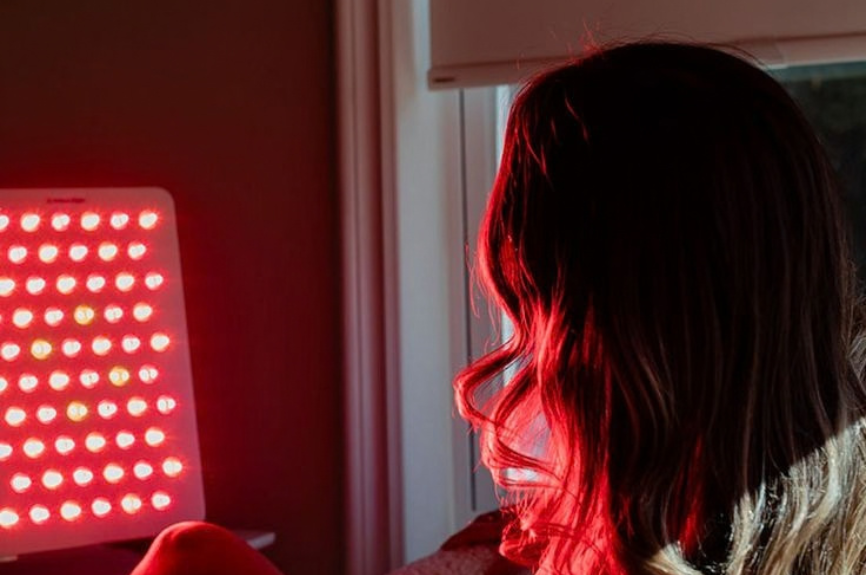
Red light — often discussed alongside near-infrared light — is a form of photobiomodulation.
It penetrates deeper into the skin than blue light and has been studied for its effects on cellular activity, inflammation, wound healing and collagen production.
That’s why red light has become particularly popular for:
-
Fine lines and wrinkles
-
Skin firmness
-
Inflammation
-
Redness
-
Skin recovery
-
Overall skin rejuvenation
Research suggests red-light LED devices can produce improvements in fine lines, skin texture, discoloration and redness, although results vary considerably between devices and treatment protocols. The American Academy of Dermatology also emphasizes that more research is needed to determine the ideal wavelength, dose and treatment schedule.
Is red light good for rosacea?
Of the two, red light is generally the more interesting option for rosacea-prone skin — but there’s an important caveat.
Research specifically investigating photobiomodulation for rosacea is still limited.
A 2025 review found that early clinical and experimental research suggests photobiomodulation may help reduce inflammatory processes associated with rosacea and support extracellular-matrix remodeling. However, the researchers emphasized that there are still too few studies to establish it as a proven rosacea treatment.
So think of red light as a potentially helpful complementary tool, rather than a replacement for your rosacea treatment or skincare routine.
And remember: rosacea skin can be incredibly reactive.
For some people, the warmth generated by a device or prolonged exposure may trigger flushing. If heat is one of your biggest rosacea triggers, pay close attention to how your skin responds.
Our take for rosacea:
If choosing between red and blue LED therapy, we'd generally be more interested in red light for redness-prone, reactive skin.
But persistent facial redness and visible blood vessels are a different story. Dermatologist-administered vascular lasers and light treatments such as pulsed dye laser (PDL) have substantially more evidence behind them for rosacea.
BLUE LIGHT THERAPY
What does blue light do?
Blue light works much closer to the surface of the skin.
Its biggest claim to fame is acne.
Certain wavelengths of blue light can affect Cutibacterium acnes — bacteria involved in inflammatory acne — which is why blue LED therapy is frequently marketed toward breakout-prone skin.
The American Academy of Dermatology notes that blue, red and combination blue/red visible-light devices can help treat pimples, but they aren't effective for every type of acne, including blackheads, whiteheads, cysts and nodules.
A 2026 review of home-use dermatologic devices found moderate-quality evidence supporting blue LED and combined blue-red LED devices for acne, although LED therapy should still be viewed as one tool within a larger acne-management strategy.
Is blue light good for rosacea?
This is where we'd be more cautious.
Rosacea and acne can look incredibly similar — especially papulopustular rosacea, which can cause red bumps and pustules that resemble acne.
But they aren't the same condition.
Someone with rosacea may see bumps and assume they need an "acne-fighting" blue-light treatment when the underlying problem is inflammatory rosacea.
If your primary concerns are flushing, persistent redness, sensitivity and a compromised skin barrier, blue light wouldn't automatically be our first choice simply because you're experiencing breakouts.
This is also why correctly identifying whether you're dealing with acne, rosacea or both matters so much.
What About Red + Blue Light Together?
This is where things get interesting for acne.
Blue light targets acne-associated bacteria, while red light may complement it through its effects on inflammation and skin recovery.
Research has found benefits from both red and blue LEDs for acne, and combination devices are commonly used for inflammatory breakouts.
But light therapy shouldn't automatically replace proven acne treatments.
Current American Academy of Dermatology acne guidelines strongly recommend established treatments such as benzoyl peroxide, topical retinoids and certain other therapies, while also recommending options including salicylic acid and azelaic acid. The AAD has noted that evidence remains insufficient to make broad recommendations for many laser and light-based procedures.
What’s Best for Anti-Aging?
This one is much clearer:
Red light wins over blue light.
Red and near-infrared light are the wavelengths most associated with photobiomodulation and skin rejuvenation.
Research suggests red-light LED therapy may produce improvements in:
Fine lines + wrinkles
Red light may support processes involved in collagen production and skin remodeling.
Skin texture
Regular use may gradually improve roughness and overall skin appearance.
Firmness
Some research has reported improvements in loose or aging skin.
Redness + discoloration
Some studies have also observed improvements in redness and uneven pigmentation.
But keep your expectations realistic.
An at-home LED mask isn't going to deliver the same results as a facelift, resurfacing laser or other professional procedure. Think gradual, subtle improvement with consistent use, not overnight transformation.
So Which Light Should You Choose?
If your main concern is ROSACEA:
→ RED LIGHT
Potentially the more suitable LED option because of its anti-inflammatory and photobiomodulatory effects. However, rosacea-specific evidence remains limited, and vascular laser treatments have stronger evidence for persistent redness and visible vessels.
If your main concern is INFLAMMATORY ACNE:
→ BLUE LIGHT or BLUE + RED LIGHT
Blue light targets acne-associated bacteria, while adding red light may provide complementary anti-inflammatory effects. Visible-light therapy appears most useful for inflammatory pimples rather than blackheads, whiteheads or deep cystic acne.
If your main concern is ANTI-AGING:
→ RED + NEAR-INFRARED LIGHT
This combination is commonly used to target fine lines, texture, firmness and overall skin rejuvenation.
If you have ROSACEA + ACNE-LIKE BREAKOUTS:
→ Don't automatically reach for blue light.
First determine whether those "breakouts" are actually acne or papulopustular rosacea. Treatments that work beautifully for traditional acne aren't always the best match for highly reactive rosacea skin.
One Thing We Want You to Remember
LED therapy can be a great addition to your skincare routine.
It shouldn't become your entire skincare routine.
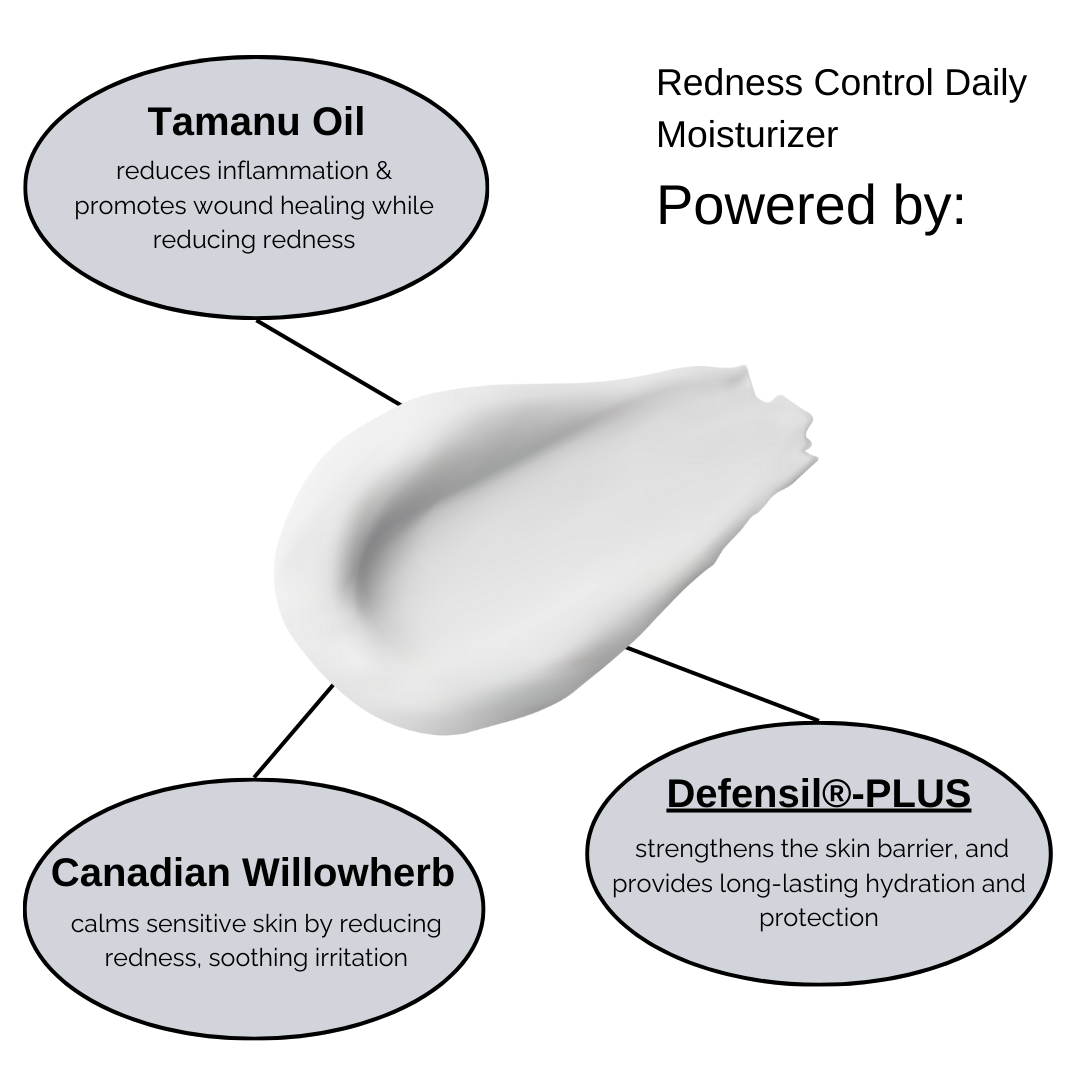
For rosacea and sensitive skin especially, the fundamentals still matter: maintaining a healthy skin barrier, minimizing unnecessary irritation, protecting your skin from UV exposure and using targeted ingredients that your skin can actually tolerate.
For example, azelaic acid has considerably more established evidence and clinical use for rosacea and acne-like rosacea breakouts than an at-home LED mask. Dermatologists also use specific vascular lasers and light-based treatments when persistent redness and visible blood vessels are the primary concern.